 listicle
Alternatives to Traditional Meditation Gear: 7 Ways
Table of Contents
- Why You Don't Need Traditional Meditation Gear to Start
- Mindful Movement Practices as Meditation Alternatives
- Creative Arts and Flow States Without Equipment
- Nature-Based Grounding Techniques You Can Start Today
- Intentional Apparel for Mindfulness: Wearing Your Practice
- Minimalist Meditation Setup Ideas for Home Practice
- Micro-Practices and Breathwork for Busy Schedules
- Conclusion: Your Meditation Practice Starts Within
- Frequently Asked Questions
Last Updated: October 3, 2026
Why You Don't Need Traditional Meditation Gear to Start
You don't need a meditation cushion, singing bowl, or expensive altar setup to begin. The most powerful meditation tools already exist within you: your breath, your body, and your present moment awareness. Intentional living starts not with gear, but with intention itself.
The barrier most people face is the belief that they need equipment. This misconception keeps people stuck in planning instead of practicing. Alternatives to traditional meditation gear can be equally effective, sometimes more so, because they anchor your practice in reality rather than in the perfect setup.
This democratizes mindfulness. You can begin today with what you have and deepen your practice through consistency rather than accumulation.
Mindful Movement Practices as Meditation Alternatives
Mindful movement is meditation in motion. Walking, stretching, or flowing through intentional physical practice grounds you in sensory awareness just as effectively as sitting still, with your body as the anchor instead of a cushion.
Walking meditation is one of the most accessible alternatives to traditional meditation gear. Find a quiet path and walk slowly, bringing full attention to each step, your feet connecting with the ground, and the rhythm of your breath. This builds grounding and mental clarity without equipment.
Yoga, tai chi, or stretching serve the same purpose when practiced with intention. The difference between exercise and mindful movement is awareness, when you move deliberately, paying attention to how your body feels and your breath flows, you're meditating.
Moving meditation works better for people with physical discomfort, restlessness, or attention challenges, often deepening focus and reducing mental fatigue more effectively than stillness.
Creative Arts and Flow States Without Equipment
Flow states, that absorbed, timeless feeling of complete engagement, are meditation in disguise. Painting, writing, playing music, or creating with full attention produces the same mental clarity and stress reduction as sitting meditation.
Creative practice requires minimal gear: a sketchbook and pencil, a blank page, or an instrument you own. The absence of specialized equipment removes the barrier to starting.
Flow states quiet the same mental chatter meditation targets. When your attention is fully absorbed in creating, your default mode network, responsible for self-referential thinking and worry, goes quiet, producing the same inner peace and cognitive clarity as formal sitting meditation.
Journaling combines creative expression with self-reflection. Write freely without editing, letting thoughts flow onto the page. This builds intentionality and emotional regulation without special gear.
Nature-Based Grounding Techniques You Can Start Today
Nature is the most underutilized meditation tool. Grounding, connecting directly with the earth's natural energy, requires only presence and access to natural elements.
Barefoot walking on grass, soil, or sand activates sensory awareness and produces measurable shifts in nervous system function (pubmed.ncbi.nlm.nih.gov). Simply step outside and pay attention, tactile engagement with natural surfaces brings you into the present moment instantly.
Water-based grounding works similarly: sitting near water, listening to water sounds, or feeling water during a shower. These anchor you in sensory experience and break rumination cycles without purchasing anything.
Forest bathing, walking slowly through trees while engaging all your senses, produces measurable reductions in stress hormones (pubmed.ncbi.nlm.nih.gov). You need only trees and time.
Gardening, even in a small container, connects you to natural cycles and growth. The intentionality you bring to tending plants becomes a form of meditation.
Intentional Apparel for Mindfulness: Wearing Your Practice
While apparel itself is not a meditation practice, what you wear shapes your readiness to practice and consistency over time through embodied cognition.
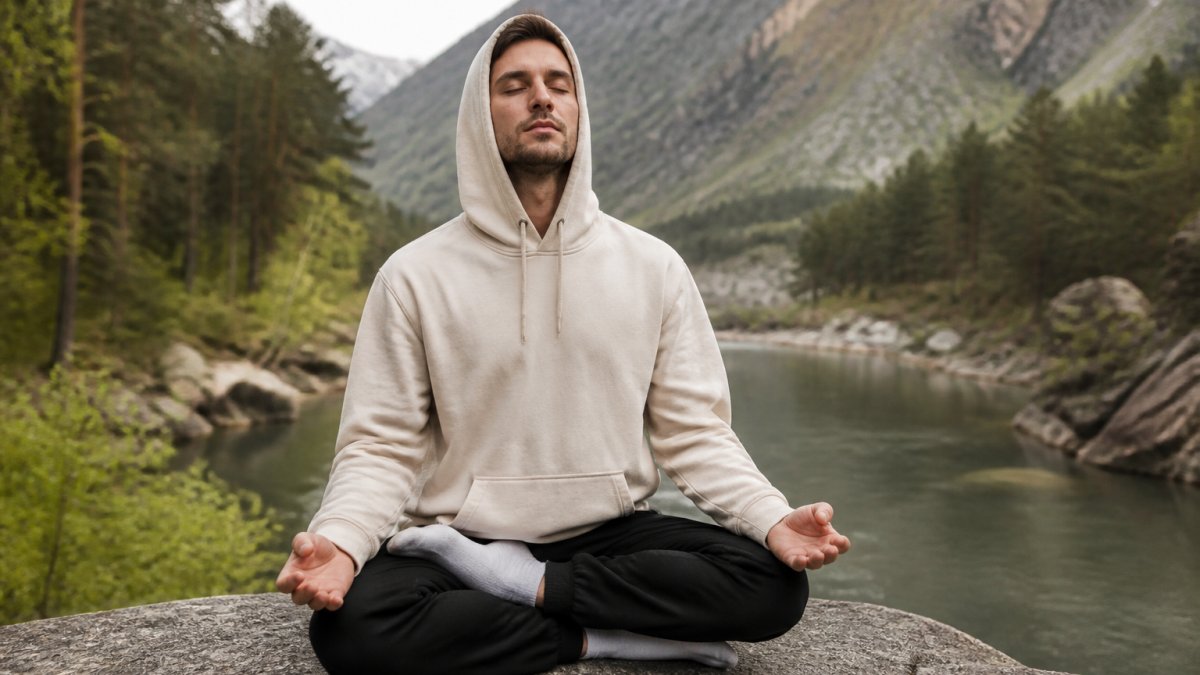
Comfortable, intentionally chosen clothing removes friction that interrupts focus. Loose, breathable fabric prevents distraction; soft materials reduce tactile irritation; clothing that doesn't require adjustment keeps your attention on practice rather than physical discomfort.
Wearing the same clothing consistently during practice creates a behavioral anchor. Your brain associates that garment with the mental state of practice, and putting it on becomes a cue that triggers mindfulness before you sit down.
For people with sensory sensitivities, chronic pain, or anxiety, clothing choice becomes even more critical. Tight waistbands, scratchy tags, or heavy fabrics can make seated meditation physically painful or mentally distracting. Choosing soft, loose-fitting apparel removes a barrier that might otherwise prevent practice entirely. This is especially important for practitioners with fibromyalgia, arthritis, or autism spectrum traits, where sensory input directly impacts ability to focus.
The practical approach: Choose one piece of clothing that feels genuinely comfortable during your practice sessions. It doesn't need to be special or expensive, a favorite t-shirt, an old hoodie, or athletic wear you already own works perfectly. Wear it consistently during practice. Over weeks, that garment becomes a practice trigger, and your brain will begin to shift into mindfulness mode the moment you put it on. This is not about spiritual symbolism or aesthetic alignment; it's about using behavioral psychology to support habit formation and remove sensory barriers to practice.
For people with limited mobility or chronic pain, this becomes a tool for accessibility. If seated meditation causes discomfort, wearing clothing that supports your specific body needs, compression garments for circulation issues, loose clothing for movement-based practice, temperature-regulating fabrics for those with dysregulation, makes practice possible rather than painful. The apparel becomes genuinely functional, not decorative.
Minimalist Meditation Setup Ideas for Home Practice
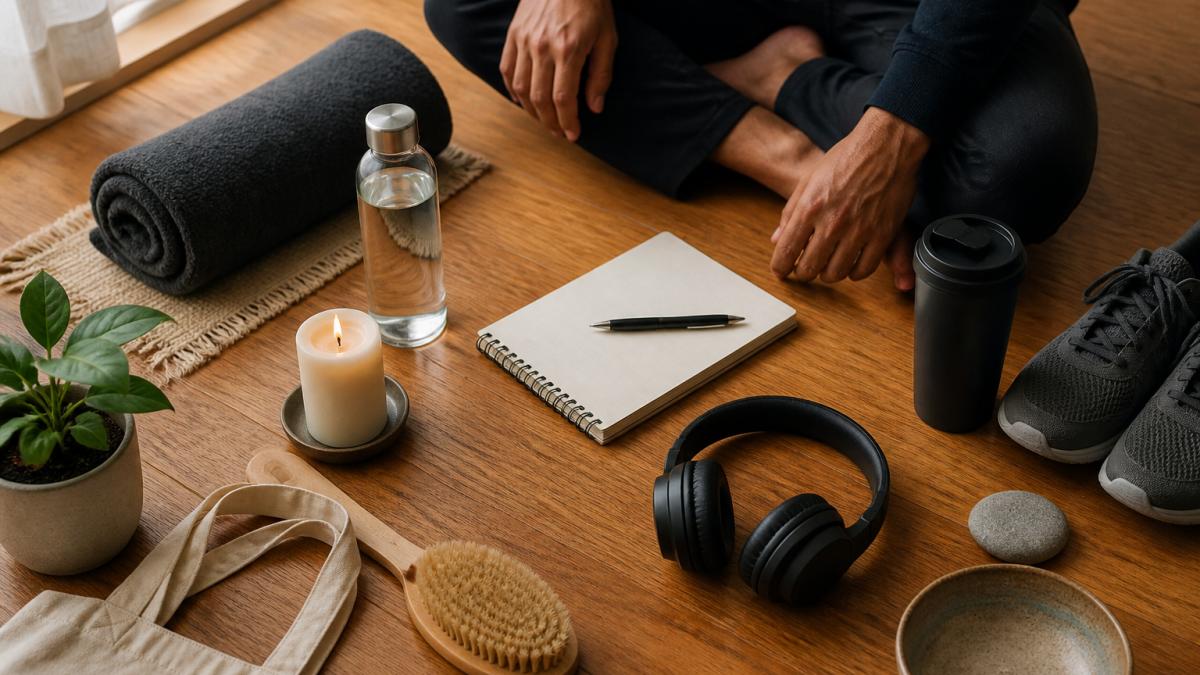
You don't need a dedicated meditation room or elaborate altar to create a space that supports your practice. A minimalist setup, one that removes distractions rather than adding complexity, often works better.
A simple corner with a cushion or chair. Good natural light if possible. Minimal visual clutter. That's a complete meditation space. The simplicity actually enhances focus because there's nothing to distract you.
A small plant or natural element (a stone, piece of wood, water) adds grounding without requiring specialized equipment. These tactile objects keep you connected to natural elements during practice.
Temperature and comfort matter more than aesthetics. Wear something comfortable and appropriate for the space. This is where intentional apparel becomes practical, choosing clothing that supports your physical comfort during practice removes a barrier to consistency.
777 Essential Oversized Boxy Fit Cozy Spiritual Hoodie →
The minimalist approach also addresses a real problem: elaborate setups create pressure to use them "correctly," which often leads to avoidance. A simple corner you can access anytime removes that friction. You're more likely to practice in a space that feels accessible than one that feels precious or intimidating.
Micro-Practices and Breathwork for Busy Schedules
Most meditation guides assume you have 20-30 minutes. You don't. Micro-practices, intentional moments of 1-5 minutes scattered throughout your day, deliver measurable neurological benefits and fit any schedule. This is where the science diverges from traditional meditation advice.
Why Micro-Practices Work Neurologically
When you practice breathwork or body awareness for even 60 seconds, you activate your parasympathetic nervous system, the branch responsible for rest, digestion, and calm. This isn't metaphorical, it's measurable through heart rate variability and cortisol levels.
The default mode network, the brain region responsible for self-referential thinking and rumination, quiets during any focused attention task, including brief breathwork. You don't need 30 minutes for this to happen.
For people with ADHD, anxiety disorders, or racing thoughts, micro-practices are often more effective than longer sessions. Sustained attention for 30 minutes can feel impossible or anxiety-inducing. But 2 minutes feels achievable, which means you'll actually do it.
Specific Micro-Practices for Different Contexts
Desk or work environment: Box breathing takes 2 minutes and requires no movement. Inhale through your nose for 4 counts, hold for 4, exhale for 4, hold for 4. Repeat 4-5 times.
Standing or in transit: Body scan in 3 minutes. Starting at your feet, mentally move up through your body, noticing sensation without judgment. Feet, legs, torso, arms, head. This grounds you in present-moment awareness and interrupts anxiety spirals.
Waiting or transition moments: Extended exhale breathing. Inhale for 4 counts, exhale for 6-8 counts. The longer exhale activates calm more effectively than balanced breathing. Three minutes of this before a stressful meeting produces measurable anxiety reduction.
Morning or evening: Alternate nostril breathing, 3-5 minutes. Close your right nostril, inhale left, close left, exhale right. Repeat. This balances the nervous system and is particularly effective for people with racing thoughts or sleep issues.
Accessibility and Physical Limitations
Micro-practices are uniquely accessible for people who cannot sit still or sustain physical positions. Someone with chronic pain, restlessness, or limited mobility can practice breathwork while lying down, standing, or moving.
For people with trauma responses to stillness, micro-practices during movement (breathing while walking, breathing while stretching) provide the same neurological benefits without triggering the discomfort of seated meditation.
Building a Micro-Practice Habit
The research on habit formation shows that consistency matters more than duration. Practicing for 2 minutes daily outperforms practicing for 30 minutes weekly in terms of building lasting habit and measurable stress reduction.
Start with one micro-practice at one time of day. Once it becomes automatic (usually 2-3 weeks), add a second. This approach builds sustainable habit without overwhelming your schedule.
Conclusion: Your Meditation Practice Starts Within
The most powerful meditation tool you have is already with you: your ability to bring conscious attention to the present moment. Everything else, cushions, bells, special clothing, elaborate setups, is enhancement, not requirement.
Alternatives to traditional meditation gear work because they're built on what actually matters: intention, consistency, and presence. Whether you're moving mindfully, creating with full attention, grounding in nature, or practicing breathwork, you're meditating. The gear was never the point.
At 12:12, we believe that intentional living starts with choices, not purchases. When you're ready to deepen your practice through apparel that supports your spiritual alignment, our collection of celestial tees, hoodies, and performance pieces is designed for practitioners who move with intention. The 11:11 Angel Number Long Sleeve Shirt at $33.33 or the 777 Essential Oversized Boxy Fit Cozy Spiritual Hoodie at $66.66 serve as wearable affirmations that remind you of your commitment throughout your day. With free shipping on orders over $50, these pieces offer accessible support for your practice.

Start now with what you have. Build your practice through consistency. Add intentional elements, whether movement, creativity, nature connection, or meaningful apparel, as your practice deepens. Your meditation journey begins within, not with equipment.
Frequently Asked Questions
Can I practice mindfulness without specialized meditation gear?
Absolutely. Mindfulness is a mental practice rooted in present-moment awareness and conscious breathing, not equipment. You can cultivate grounding and mental clarity through breathwork, nature walks, creative expression, or simply sitting quietly. What matters is intentionality, showing up with purpose and attention. Gear can support your practice, but it's never required to begin.
What are the best alternatives to traditional meditation cushions?
Several options work well: a folded blanket, a yoga mat, or even a firm chair with back support. The key is finding a position where your spine feels naturally aligned and your body stays comfortable for 10-20 minutes. Some people prefer standing meditation or walking meditation instead. Choose what allows you to focus on your breath and present-moment awareness without physical distraction.
How does intentional apparel support a meditation practice?
Intentional apparel, clothing with spiritual meaning or symbolic design, serves as a wearable reminder of your commitment to mindfulness and self-awareness. Wearing pieces like angel number shirts or spiritual hoodies can anchor your attention to your practice, reinforce your intention for the day, and create a tactile connection to your values. The fabric quality and comfort also matter: breathable, non-restrictive clothing helps remove friction so your mind can focus on meditation rather than physical discomfort.
What is the best meditation device if I want tech support?
Brain-sensing headbands and meditation apps offer real-time feedback on your mental state, which some people find motivating. However, they're optional. Free or low-cost alternatives include guided audio meditations, timer apps, or simply using music and nature sounds. The 'best' device is the one you'll actually use consistently, whether that's high-tech or a simple timer on your phone.
Ready to align your daily practice with intentional apparel? Shop the 12:12 collection and discover how wearable affirmations support your spiritual journey. Each piece is designed for those who move with purpose and embrace conscious living.