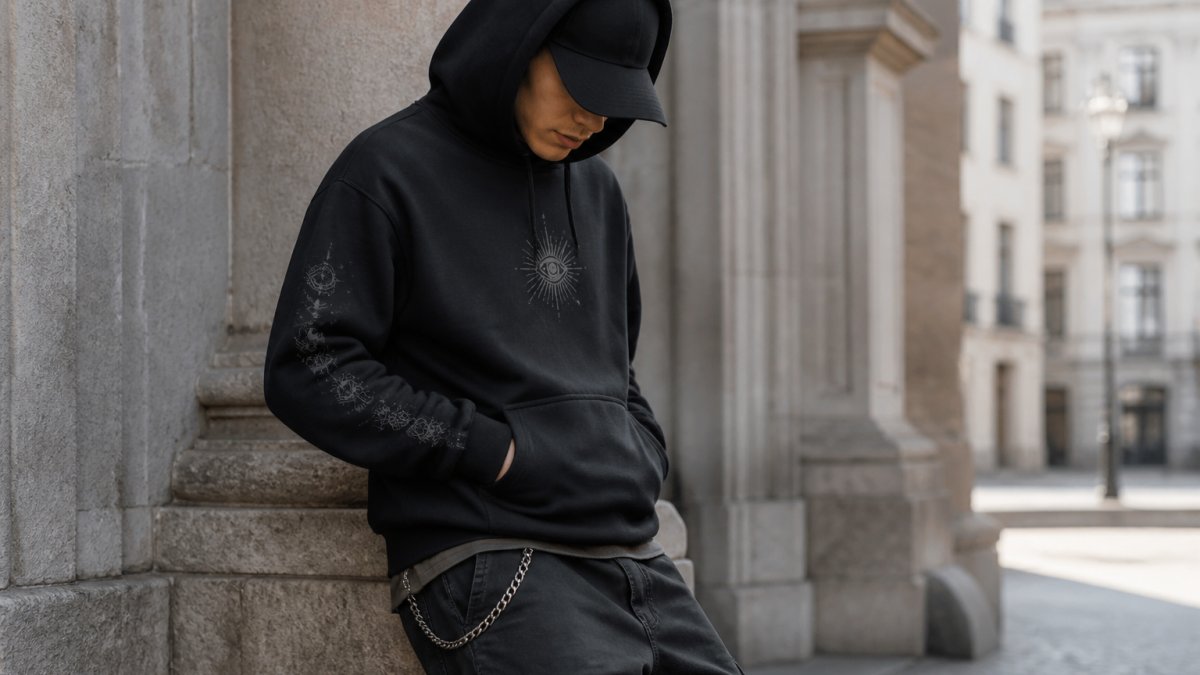
 how-to
How to Choose Spiritual Symbols for Apparel
Table of Contents
- Understanding What Spiritual Symbols Mean
- Common Spiritual Symbols and Their Origins
- How to Wear Spiritual Symbols Respectfully
- A Framework for Selecting Your Spiritual Symbol
- Spiritual Apparel Styling Ideas for Daily Wear
- Quality, Care, and Long-Term Wear
- Frequently Asked Questions
Last Updated: October 10, 2026
Understanding What Spiritual Symbols Mean
Spiritual symbols carry deep meaning for people on intentional journeys. They represent beliefs, values, and spiritual connections that matter to you personally. Learning how to choose spiritual symbols for apparel means making a statement about who you are and what guides your life.
Why Symbol Meaning Matters When Choosing Apparel
The symbol you choose to wear becomes part of your daily practice. It serves as a constant reminder of your spiritual alignment and personal intentions. A symbol that doesn't resonate with your actual beliefs can feel hollow or even inauthentic.
At 12:12, we understand that spiritual apparel works best when the symbol truly connects to your inner world. Wearing a symbol just because it looks good aesthetically misses the entire point. The power comes from the meaning you assign to it and how it anchors your mindfulness throughout the day.
Understanding how to choose spiritual symbols for apparel requires more than a quick glance at design. You need to understand what the symbol represents, where it comes from, and whether it aligns with your spiritual practice.
Common Spiritual Symbols and Their Origins
Spiritual symbols appear across cultures and faith traditions. Each one carries its own history, meaning, and spiritual significance. Understanding these origins helps you make informed choices about what to wear.
Angel Numbers as Spiritual Symbols
Angel numbers are sequences that many believe carry divine messages. These numbers appear repeatedly in your life as signals from the universe or your spiritual guides. Common angel numbers include 11:11, 222, 333, 444, and 555.
11:11 represents a manifestation portal. The 11:11 Angel Number Long Sleeve Shirt from 12:12 features this powerful symbol in a clean, minimalist design perfect for daily wear.

222 symbolizes trust and divine timing. This number appears when you're being asked to have faith in the process. The 222 Oversized T-Shirt combines this meaningful symbol with celestial accents and vintage-washed comfort.

444 represents divine protection and a solid foundation. This number signals that your angels surround you with love and support. The 444 Angel Number Tank Top brings this protective energy into your workout or casual daily wear.
Traditional Sacred Symbols Across Faiths
Sacred symbols appear in every spiritual tradition. The cross represents redemption and faith in Christianity. The fish symbol (ichthys) carries meaning in Christian tradition as well. The mandala appears in Hindu and Buddhist practices as a representation of the universe and spiritual wholeness.
The Flower of Life is an ancient geometric symbol found across cultures. It represents the interconnectedness of all living things and spiritual growth. The World Tree (also called Yggdrasil in Norse tradition) symbolizes the connection between different realms and the cycle of life.
Each symbol carries centuries of spiritual weight. Understanding this history helps you choose symbols that align with your actual beliefs and practices.
How to Wear Spiritual Symbols Respectfully
Wearing spiritual apparel comes with responsibility. Respect for the symbol's origins and meaning matters deeply. This isn't about rigid rules but about honoring the traditions these symbols come from.
Cultural Context and Permission
Some spiritual symbols belong to specific traditions. Wearing them requires understanding and respect for that tradition. For example, certain symbols hold sacred meaning in Indigenous practices, Hindu traditions, Buddhist teachings, and other faith systems.
Before wearing a symbol, ask yourself: Do I understand where this symbol comes from? Am I part of the tradition it belongs to, or am I an outsider engaging with it respectfully?
You don't need to be a member of a tradition to wear its symbols, but you should understand what you're wearing. Research the symbol's origin. Learn its actual meaning, not just the aesthetic appeal.
Angel numbers, by contrast, are widely accessible across spiritual practices. They don't belong exclusively to one tradition, which makes them a good choice for people from various backgrounds seeking spiritual alignment.
Personal Connection Over Trend
The worst reason to wear a spiritual symbol is because it's trendy. Spiritual apparel has become popular, and some people wear symbols purely for aesthetic reasons. This approach misses the entire purpose.
Your symbol should resonate with your actual spiritual practice. If you're drawn to angel numbers because you notice these sequences in your life, that's genuine connection. If you're drawn to a mandala because you practice meditation and the symbol represents your inner work, that's authentic alignment.
Wearing apparel with symbols you don't truly connect to can feel inauthentic. It might even create cognitive dissonance. You're telling the world something about your beliefs while internally knowing the symbol doesn't match your practice. Choose symbols that genuinely ground you in your intentions.
A Framework for Selecting Your Spiritual Symbol
Choosing the right spiritual symbol doesn't have to be complicated. Follow these steps to find symbols that truly align with your spiritual path.
Step 1: Identify What Resonates With Your Beliefs
Start by getting clear on your own spiritual practice. What matters to you? Are you focused on manifestation and intention-setting? Are you drawn to protection and grounding? Do you practice meditation, mindfulness, or energy work?
Write down the spiritual themes that matter most to you:
- Manifestation and conscious creation
- Divine timing and trust
- Protection and stability
- Healing and transformation
- Awakening and enlightenment
- Connection and unity
Your symbol should reflect one or more of these themes. If manifestation is central to your practice, angel numbers like 11:11 make sense. If you're seeking grounding and protection, 444 aligns better with your needs.
Step 2: Research the Symbol's Origin and Meaning
Once you've identified a symbol that interests you, research it thoroughly. Go beyond surface-level descriptions. Understand:
- Where does this symbol come from historically?
- What does it mean in its original tradition or culture?
- How is it used in spiritual practice?
- What different meanings might it carry across traditions?
For angel numbers, research what numerologists and spiritual practitioners say about each number. For traditional symbols like mandalas or the Flower of Life, learn about their origins in Hindu, Buddhist, or sacred geometry traditions respectively.
This research step prevents you from wearing a symbol you don't actually understand. It also helps you avoid accidentally wearing something sacred in a disrespectful way.
Angel Number Starter Pack - 3 Shirts Bundle Large →
Step 3: Verify Cultural Appropriateness
Ask yourself honestly: Is this symbol appropriate for me to wear? Consider your own background and relationship to the tradition.
If you're wearing a symbol from your own faith tradition, there's natural alignment. If you're wearing a symbol from another tradition, you should have genuine respect and understanding for that tradition. Avoid wearing symbols purely because they look cool.
Some symbols are widely shared across spiritual communities. Angel numbers fall into this category. Other symbols carry specific cultural or religious significance. The more sacred or specific a symbol, the more important it is to verify you're wearing it respectfully.
If you have any doubt, err on the side of caution. There are countless symbols to choose from. Pick ones you can wear with full confidence and respect.
Step 4: Choose Your Apparel Style and Placement
Once you've chosen your symbol, decide how to wear it. This is where personal style and comfort matter.
Consider these options:
- Visible placement: Chest or front placement makes the symbol a clear statement
- Subtle placement: Back or sleeve placement keeps the symbol more private
- Size: Large symbols make bold statements; small symbols feel understated
- Garment type: T-shirts and hoodies offer casual daily wear; long sleeves add layering options
The Angel Number Starter Pack from 12:12 gives you multiple options to explore different styles. The bundle includes three different angel numbers (222, 333, 444) so you can discover which symbols resonate most with you. Each shirt features clean, minimalist design that works for everyday wear.

Think about when you'll wear this apparel. Will it be for workouts, casual outings, meditation practice, or daily wear? Your lifestyle determines whether you need performance fabric, oversized fit, or something else. Choose garments you'll actually wear regularly.
Spiritual Apparel Styling Ideas for Daily Wear
Spiritual symbols integrate beautifully into intentional fashion. The key is treating them as part of your overall aesthetic, not as standalone statements.
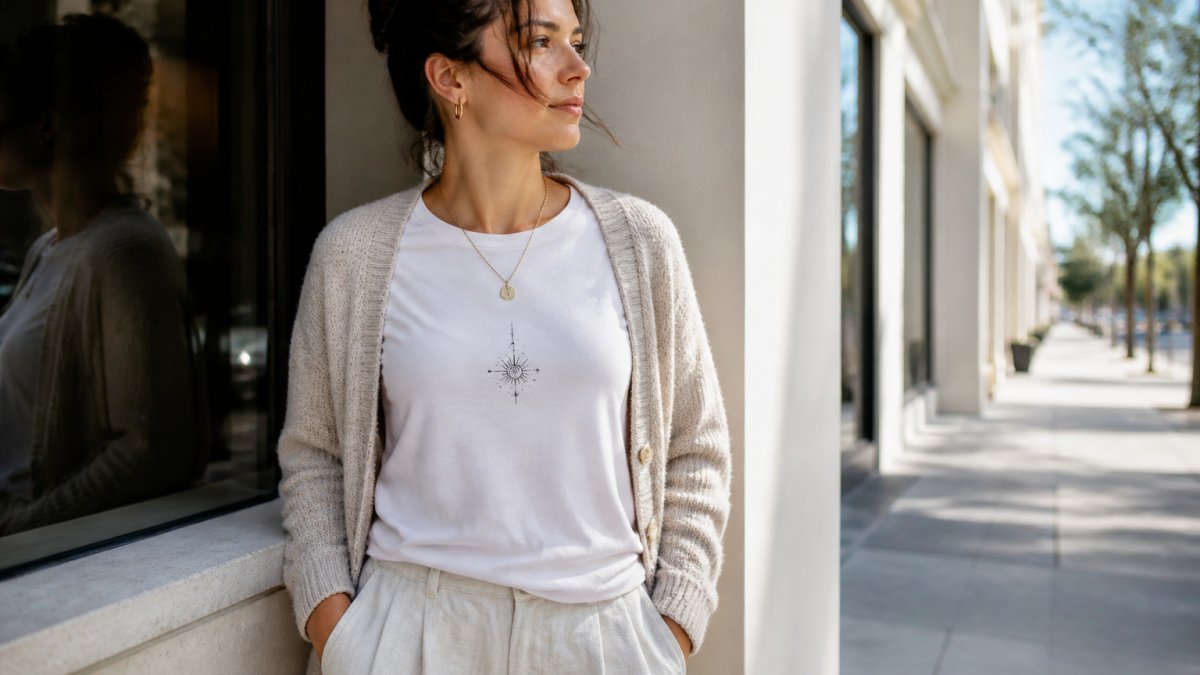
Layering Spiritual Symbols With Minimalist Fashion
Minimalist fashion pairs naturally with spiritual apparel. The clean lines and intentional design of spiritual symbols complement simple, quality pieces.
Layer your angel number or spiritual symbol tee under an open overshirt or cardigan. This approach keeps the symbol visible but adds sophistication to your look.
For a more casual approach, wear your spiritual apparel with high-quality basics. Simple jeans, neutral pants, or minimalist skirts let your symbol piece be the intentional focal point. Avoid clashing patterns or competing graphics.
Accessories should be equally intentional. Choose pieces that feel meaningful: a simple pendant, a meaningful bracelet, or minimal jewelry. Your entire outfit becomes a reflection of your spiritual practice, not just the apparel itself.
Symbol Placement and Visual Impact
Where you place your symbol affects how it functions in your daily life. Front-chest placement makes the symbol visible to others and serves as a constant reminder for you.
Back placement keeps the symbol more private. You see it when you look in the mirror or catch your reflection, but it's not the first thing others notice.
Sleeve placement offers a middle ground. The symbol is visible when you move your arms or when others look closely, but it's not immediately obvious.
The size of the symbol matters too. A large, bold symbol makes a clear statement. A smaller, delicate symbol feels more refined and understated. Choose based on your personality and how you want to express your spirituality through apparel.
Quality, Care, and Long-Term Wear
Spiritual apparel should be something you actually wear regularly. This means quality matters. Poor-quality garments fall apart, fade, or become uncomfortable. You won't wear them, and your investment becomes wasted.
Look for apparel made from quality materials. Premium cotton holds up through many washes. The 11:11 Angel Number Long Sleeve Shirt uses ultra-soft premium fabric designed for durability and comfort.
Check care instructions before buying. Some spiritual apparel requires special handling. Machine-washable pieces are more practical for daily wear.
Consider the fit too. Oversized pieces offer comfort and a relaxed aesthetic. Standard fits work if you prefer a more tailored look.
Invest in pieces you'll wear for years, not seasons. Quality spiritual apparel becomes part of your daily practice. It serves as a wearable affirmation that grounds you in your intentions.
Choosing spiritual symbols for apparel is an intentional practice that extends beyond fashion. Explore our Angel Number Starter Pack to discover which symbols resonate most deeply with your practice, and build a collection of meaningful pieces you'll actually wear every day.
Frequently Asked Questions
What does clothing symbolize spiritually?
Spiritual clothing serves as a wearable reminder of your beliefs, intentions, and connection to something larger than yourself. When you wear spiritual symbols on apparel, you're creating a daily touchstone that reinforces your spiritual practice and personal values. For many people, spiritual apparel acts as a manifestation tool, a constant visual affirmation that keeps you aligned with your purpose throughout the day.
How do I choose a spiritual symbol that feels meaningful to me?
Start by identifying what resonates with your personal beliefs and current spiritual journey. Research the symbol's origin, meaning, and cultural context to ensure it aligns with your values. Consider whether it represents something you actively practice (like manifestation or meditation) or a quality you're cultivating (like protection or trust). Trust your intuition, the right symbol will feel like a natural extension of who you are, not something you're wearing because it's trendy.
How can I wear spiritual symbols respectfully?
Respect begins with understanding. Before wearing a spiritual symbol, learn its true meaning and cultural origins. Avoid symbols tied to religions or traditions you don't practice or study. Choose symbols that align with your actual spiritual path rather than collecting them as aesthetic choices. Wear them with genuine intention, not as fashion statements. If a symbol holds sacred meaning in another culture or faith, approach it with reverence and only wear it if you have authentic connection to that tradition.
What are common spiritual symbols to wear on apparel?
Popular spiritual symbols include angel numbers (like 11:11, 222, 444), which represent manifestation and divine guidance; the cross, symbolizing faith and redemption; the mandala, representing wholeness and balance; the Flower of Life, symbolizing creation and connection; and the World Tree, representing grounding and spiritual growth. Each carries distinct meanings across different traditions. Angel numbers have gained popularity in modern spiritual fashion as they're accessible to those exploring manifestation and numerology without requiring affiliation with a specific religion.