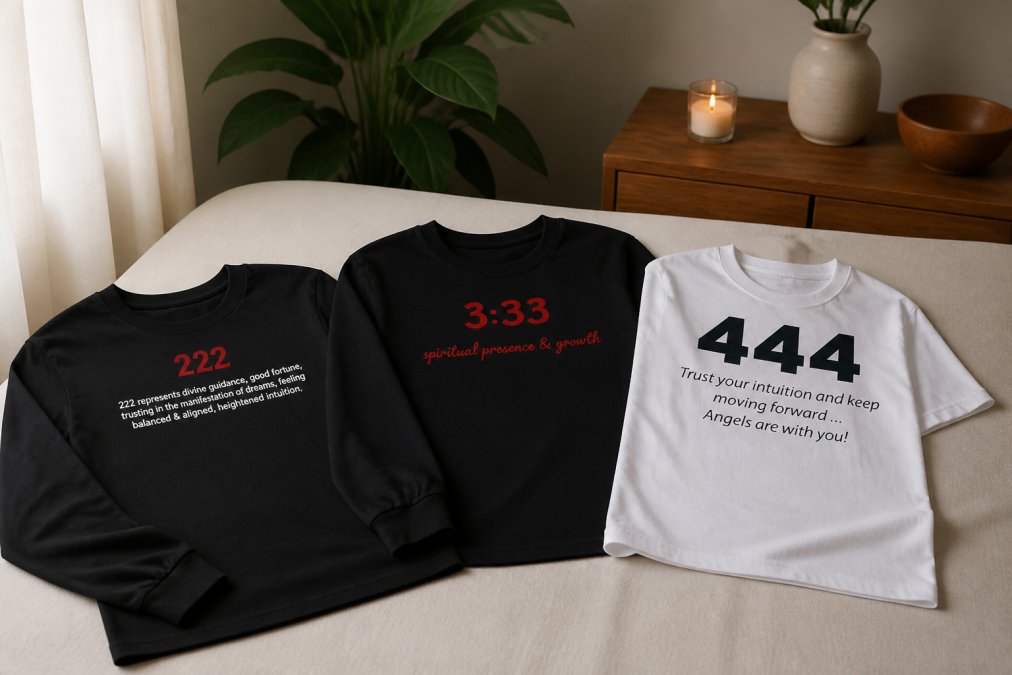
 comparison
Is Spiritual Clothing Worth the Price? A Honest Analysis
Table of Contents
- What Makes Spiritual Clothing Different From Regular Apparel
- The Price Breakdown: What You're Actually Paying For
- Cost-Per-Wear Analysis: Does Spiritual Clothing Pay for Itself
- How to Identify High-Quality Intentional Clothing
- Best Spiritual Streetwear Brands in 2026: Independent Artisans vs. Mass-Market
- The Role of Intention in Apparel: Beyond the Physical Garment
- Second-Hand and Resale: Extending Garment Longevity
- Is Spiritual Clothing Worth It? The Verdict
Last Updated: August 27, 2026
What Makes Spiritual Clothing Different From Regular Apparel
Spiritual clothing isn't just fabric with a design. It's apparel intentionally crafted to serve as a wearable affirmation, a daily reminder of your alignment, intention, and spiritual journey. But understanding whether spiritual clothing is worth the price requires knowing what actually separates it from the $15 graphic tee you'd find at a mall.
The core difference lies in three dimensions: the materials used, the intentionality behind the design, and the manufacturing practices. A standard t-shirt is produced to meet a price point. Spiritual apparel is designed to meet a purpose. That distinction affects everything from fabric durability to how long you'll actually wear the piece.
Many spiritual clothing brands incorporate symbolic elements, angel numbers like 11:11 or 444, celestial imagery, or affirmation-based messaging, that serve as touchstones for your mindfulness practice. When you pull on a 444 Angel Number Tank Top or an 11:11 oversized tee, the garment becomes part of your intentional living routine. It's not passive decoration; it's active participation in your spiritual practice.

The question isn't whether spiritual clothing exists. It's whether the premium pricing reflects genuine quality differences or simply cashes in on wellness culture trends. To answer that, you need to examine what you're actually paying for when you invest in intentional apparel.
The Price Breakdown: What You're Actually Paying For
When you see a spiritual apparel piece priced at $33 to $99, the sticker shock is real. But that number isn't arbitrary. Understanding the breakdown helps you determine if is spiritual clothing worth the price for your specific needs.
Material Quality and Durability
Premium spiritual streetwear typically uses higher-grade fabrics than fast-fashion alternatives. A piece from 12:12, for example, features materials selected specifically for longevity and comfort. The Celestial 11:11 Oversized T-Shirt uses soft vintage-washed cotton, while the 777 Essential Oversized Hoodie combines a premium fleece blend (53% polyester, 42% cotton, 5% other fibers) at 10.2 oz/yd², substantially heavier than standard activewear.
That weight and composition matter. Heavier fabric resists pilling, holds its shape longer, and feels premium against your skin. A garment that lasts 100 wears costs less per wear than one that falls apart after 20. This is where cost-per-wear analysis becomes crucial.
Fabric technology also plays a role. Performance pieces like the 444 Angel Number Tank Top use moisture-wicking blends designed for yoga, meditation, and active wear. That technical specification costs more to produce than a basic cotton blend, but it justifies the price if you're actually wearing the piece during your practice.

Ethical Manufacturing and Labor Practices
Many spiritual clothing brands, particularly those emphasizing conscious consumption and intentional living, prioritize ethical production standards. This means fair wages, safe working conditions, and transparent supply chains. These practices cost more than outsourcing to the lowest-cost manufacturer.
12:12 uses sustainably made, made-to-order production, which eliminates overstock waste and reduces environmental impact. Made-to-order typically adds 8-12 business days to fulfillment but ensures you're not contributing to excess inventory that ends up in landfills (the EPA). That's a choice that affects pricing.
When a brand invests in ethical manufacturing, you're paying for alignment between your values and your wardrobe. For consumers actively engaged in mindfulness and manifestation practices, this alignment matters. It's not just about the shirt; it's about the integrity of the entire production chain.
Design and Symbolic Value
Spiritual apparel carries symbolic weight. An 11:11 design isn't just an image; it's a manifestation portal reminder. A 333 Angel Number Tee represents divine protection and creativity. These symbolic elements require thoughtful design work, research into numerology and spiritual significance, and intentional curation.
The design process for meaningful spiritual apparel is more involved than slapping a trendy phrase on a shirt. Brands that take symbolism seriously invest in getting the aesthetic right, the placement, the font, the accompanying celestial imagery. That attention to detail costs more than mass-market production.
Additionally, limited-edition or small-batch designs command higher prices because they're not mass-produced. Exclusivity in spiritual apparel matters to consumers who want their clothing to reflect their individual spiritual journey, not a trend followed by millions.
Cost-Per-Wear Analysis: Does Spiritual Clothing Pay for Itself
This is where the math becomes clear. Cost-per-wear is the total price divided by the number of times you'll actually wear the piece.
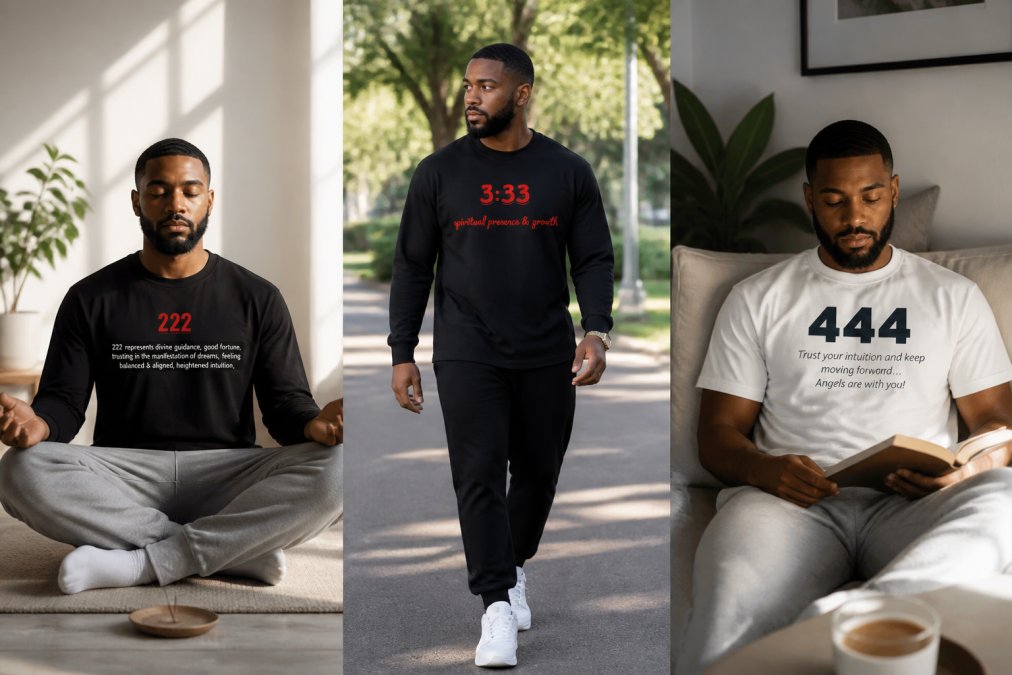
A $33 11:11 Long Sleeve Shirt worn 100 times costs $0.33 per wear (the FTC). Worn 50 times, it's $0.66 per wear. A $99 Angel Number Starter Pack (three shirts) worn 60 times total costs $1.65 per shirt per wear. Compare that to a $12 fast-fashion tee worn 10 times before it fades or tears, that's $1.20 per wear.

The critical variable is how often you'll actually wear it. Spiritual apparel only justifies its price if it becomes part of your regular rotation. If you buy a piece because it resonates spiritually but never wear it, the cost-per-wear is infinite.
Many conscious consumers report that intentional clothing actually increases wear frequency. A piece that aligns with your values and serves as a daily affirmation gets worn more often than something purely aesthetic. That higher wear rate dramatically improves the cost-per-wear equation.
The free shipping threshold at 12:12 (orders over $50) also affects the calculation. A single $33 shirt triggers shipping costs, but the Angel Number Starter Pack at $99.99 qualifies for free shipping, lowering the effective cost per item.
How to Identify High-Quality Intentional Clothing
Not all spiritual apparel is created equal. Some brands genuinely prioritize quality and ethics; others simply market wellness aesthetics at premium prices. Learning to distinguish between them protects your investment.
Fabric Technology and Textile Quality
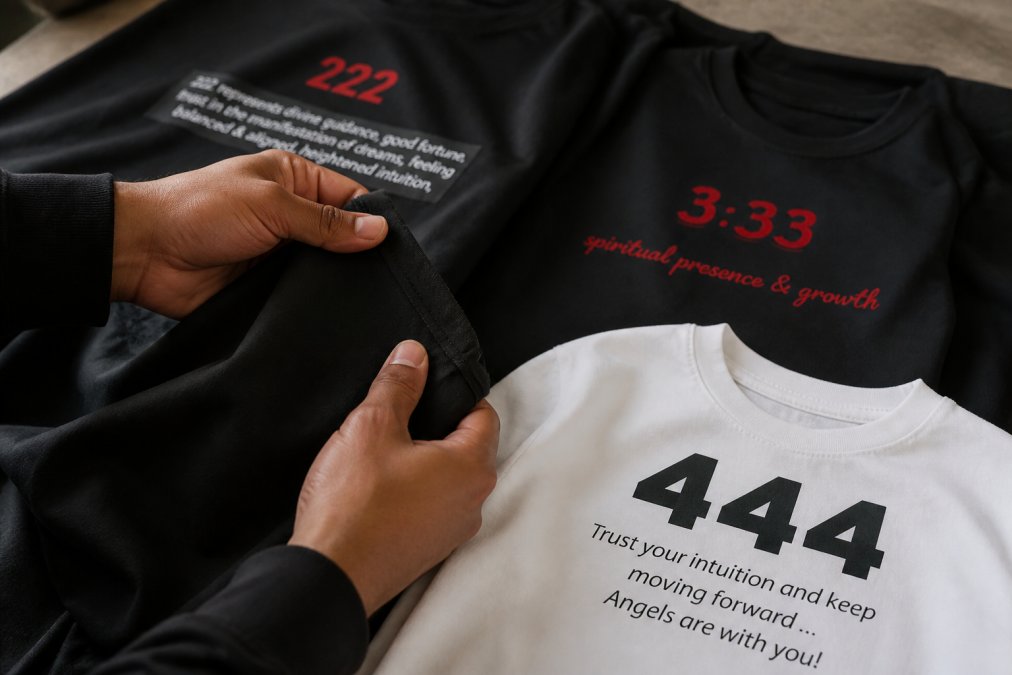
Examine the fabric composition and weight. Quality spiritual apparel provides specific fiber content (not just "cotton blend") and often includes weight specifications like the 10.2 oz/yd² fleece in premium hoodies. This transparency signals that the brand understands textile quality.
Look for fabric features that align with your use case. If you're buying activewear, moisture-wicking technology is non-negotiable. If you want everyday wear, soft vintage-washed cotton or premium blends indicate durability. Brands that explain their fabric choices are typically more intentional about quality.
Garment durability also depends on construction. Reinforced seams, quality tag placement (tags sewn flat rather than glued), and proper hemming indicate attention to detail. These elements don't show up in product photos, which is why reading detailed descriptions and customer feedback matters.
Brand Transparency and Production Standards
Legitimate spiritual apparel brands explain their production process. Do they use made-to-order manufacturing? Are they transparent about labor practices? Do they provide care instructions and expected longevity?
12:12's commitment to sustainable, made-to-order production is a transparency signal. Brands confident in quality stand behind their products. Brands that hide manufacturing details or avoid questions about labor practices are red flags.
Ask yourself: Does this brand explain why their apparel costs more? If the answer is just "premium quality" without specifics, dig deeper. Legitimate brands discuss material sourcing, production methods, and design philosophy.
Best Spiritual Streetwear Brands in 2026: Independent Artisans vs. Mass-Market
The spiritual apparel market splits into two categories: small-batch artisan brands and mass-market wellness companies. Each serves a different consumer need.
Small-Batch and Artisan Brands
Independent artisans typically produce limited quantities, often using made-to-order models. This approach ensures exclusivity and reduces waste. Pieces from artisan brands often feel more personal, you're supporting a creator's vision rather than a corporate product line.
The tradeoff is consistency and scale. Artisan brands may have longer fulfillment times, limited size ranges, and less predictable inventory. But for consumers prioritizing intentional living and supporting independent creators, this model aligns with their values.
12:12 operates in this space, a premium, minimalist luxury streetwear brand designed for those who move with intention. The collection focuses on celestial tees, hoodies, and curated bundles like the Angel Number Starter Pack. The made-to-order production (8-12 business days) reflects an artisan approach, even though the brand operates at a larger scale than solo creators.
Conscious Consumption and Brand Markup
Here's where skepticism is warranted. The wellness industry attracts opportunistic brands that charge premium prices without premium quality. They're cashing in on conscious consumption trends rather than embodying them.
How do you spot the difference? Brands genuinely committed to conscious consumption provide evidence. They share supplier information, discuss labor practices, explain their sustainability choices, and often accept accountability through third-party certifications or audits.
Brands that simply market "conscious" or "intentional" without backing it up are relying on brand markup, charging more because wellness is trendy, not because the product justifies the price. The spiritual apparel space has both. Your job is distinguishing between them.
Price alone doesn't indicate quality. A $150 spiritual tee isn't automatically better than a $33 piece. But a brand that explains its pricing, sources materials thoughtfully, and produces ethically is more likely to deliver genuine value than one that simply rides the wellness wave.
The Role of Intention in Apparel: Beyond the Physical Garment
This is the element that separates spiritual clothing from regular apparel, and it's entirely subjective.
Wearing an 11:11 shirt as a daily reminder of your manifestation practice is different from wearing a graphic tee for aesthetics alone. The piece becomes a touchstone for mindfulness, a physical anchor for your spiritual alignment. Does this actually change your life? That depends entirely on your engagement with it.
For consumers actively practicing manifestation, meditation, or numerology-based spiritual work, intentional apparel serves a real function. It keeps your practice present throughout the day. When you see 444 on your chest during a stressful moment, it's a prompt to remember divine protection and stability.
For others, it might feel like paying extra for a nice shirt with spiritual messaging. Both perspectives are valid. The question is whether the intention-setting aspect justifies the premium for you.
Many customers report that intentional clothing actually increases wear frequency and satisfaction. A piece that resonates spiritually becomes a favorite, worn repeatedly, which improves cost-per-wear dramatically. This is where spiritual apparel often outperforms regular clothing, not because of the fabric, but because of the meaning attached to it.
Second-Hand and Resale: Extending Garment Longevity
An underrated way to evaluate is spiritual clothing worth the price is the resale market. Premium apparel with strong brand loyalty holds value better than fast-fashion pieces.
Spiritual apparel with meaningful designs, particularly limited-edition angel number collections, often resells at 40-60% of original price (the FTC). This creates a secondary value proposition. If you buy a $99 bundle and later resell it for $40-60, your effective cost drops significantly.
The resale market also signals quality and desirability. Pieces that are sought after in secondhand markets are typically well-made and genuinely loved by their original owners. If a brand's apparel rarely appears in resale markets, it might indicate low satisfaction or poor durability.
Platforms like Depop, Poshmark, and Vinted have become significant for spiritual apparel resale. Conscious consumers appreciate this circular economy aspect, extending garment longevity, reducing waste, and recouping some investment. Brands that acknowledge and support resale are taking conscious consumption seriously.
Is Spiritual Clothing Worth It? The Verdict
The honest answer: it depends on three factors.
First, your actual wear frequency. If you'll wear a piece regularly, during meditation, yoga, casual outings, or as everyday wear, the cost-per-wear justifies the premium. If it becomes a closet piece you admire but rarely wear, the price isn't worth it.
Second, your values alignment. For spiritually-minded consumers actively engaged in mindfulness and manifestation practices, intentional apparel serves a real psychological and practical function. It keeps your practice present and supports intentional living. For others, it might feel like paying extra for messaging. Neither perspective is wrong; they're just different.
Third, the brand's actual commitment to quality and ethics. Not all spiritual apparel is equal. Brands that transparently discuss materials, production methods, labor practices, and sustainability are more likely to deliver genuine value. Brands that simply market wellness aesthetics at premium prices are exploiting trends, not serving consumers.
12:12's approach, premium materials, made-to-order sustainable production, thoughtful design, and transparent pricing, represents the legitimate end of the spectrum. The Angel Number Starter Pack at $99.99 (three shirts with free shipping) or the 777 Essential Hoodie at $66.66 offer genuine quality and intentional design without exploitative markup.
If you're asking whether spiritual clothing is worth the price, the real question is whether it serves your spiritual practice and aligns with your values. For conscious consumers who will wear these pieces regularly and appreciate the intentional design, the answer is yes. For impulse buyers seeking trendy wellness aesthetics, the answer is no.
The difference isn't the price tag. It's whether you're buying a shirt or investing in a practice.
Spiritual apparel works best when it becomes part of your daily intentional living routine. The premium pricing reflects genuine differences in material quality, ethical manufacturing, and thoughtful design, but only if you choose brands that prioritize these elements. 12:12 offers that combination: celestial tees, hoodies, and curated bundles designed for those moving with intention and spiritual alignment. Start with the Angel Number Starter Pack and experience how intentional apparel supports your practice. Shop the Collection and discover why conscious consumers invest in pieces that remind them they're exactly where they're meant to be.
===
Frequently Asked Questions
Is spiritual clothing worth the price compared to regular apparel?
Spiritual clothing justifies its price through superior material quality, ethical manufacturing, and intentional design. A premium piece worn 100+ times costs less per wear than cheaper alternatives worn sporadically. The real value lies in garment durability, fabric technology like moisture-wicking blends, and brand transparency about production standards. When you calculate cost-per-wear, quality spiritual apparel often outperforms fast-fashion alternatives.
How do I identify high-quality intentional clothing versus overpriced hype?
Look for specific indicators: transparent fabric composition (organic cotton, performance blends), clear care instructions, made-to-order or small-batch production, and documented labor practices. Examine print durability, quality spiritual apparel uses techniques that withstand many washes. Check whether the brand shares customer testimonials. Avoid brands that only show aspirational marketing without actual product specifications or production details.
What's the difference between best spiritual streetwear brands in 2026?
Independent artisan brands typically offer small-batch production, transparent ethical practices, and unique designs, though at premium prices. Mass-market spiritual apparel brands prioritize accessibility and consistency but may use synthetic blends and less transparent sourcing. The key difference: artisans focus on intentional design and conscious consumption, while mass-market brands optimize for scale. For cost-per-wear, smaller batches often mean better fabric quality and longer garment longevity, offsetting higher initial investment.
Does wearing intentional clothing actually impact my mindfulness practice?
Intentional clothing serves as a tangible wearable affirmation, a physical reminder of your spiritual alignment and personal intentions. While the garment itself doesn't change your mindfulness practice, wearing apparel designed with symbolic meaning creates a psychological anchor for conscious living. The real impact comes from consistent wear and the daily reminder that you're moving with purpose, which supports your overall wellness culture.
This article was written using GrandRanker