 listicle
Sustainable Streetwear for Conscious Living: A 2026 Guide
Table of Contents
- What Defines Sustainable Streetwear
- Key Materials and Ethical Production Standards
- Minimalist Aesthetic Tees That Last
- Identifying Greenwashing vs. Real Commitment
- How Ethical Streetwear Brands Build Supply Chain Transparency
- Building Your Conscious Wardrobe: Price-Per-Wear and Longevity
- Spiritual Alignment Through Intentional Fashion
- Conclusion
- Frequently Asked Questions
Last Updated: September 20, 2026
What Defines Sustainable Streetwear
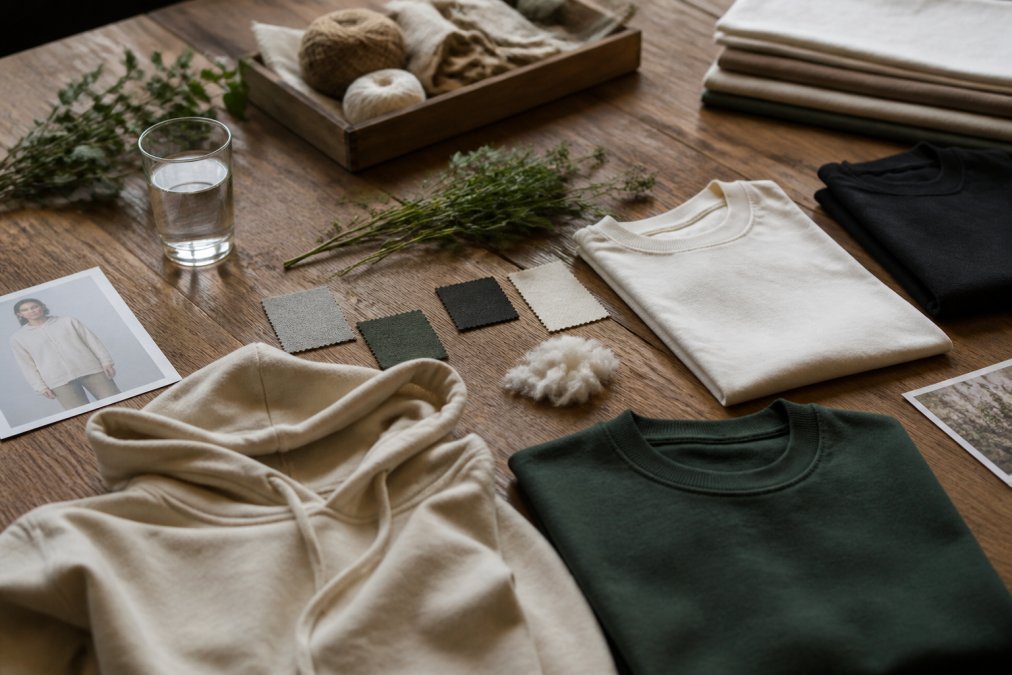
Sustainable streetwear means clothing designed with intention across material sourcing, production, labor practices, and durability, the opposite of fast fashion's disposable model. You're investing in pieces meant to last years, not seasons.
The core distinction is transparency: where cotton comes from, who stitched the seams, what dyes were used, and whether workers earned fair wages. Greenwashing, slapping "eco-friendly" on conventionally made garments, is industry standard. Real sustainable streetwear requires proof.
At 12:12, we approach this philosophy differently. Our pieces like the Celestial 11:11 Oversized T-Shirt combine premium materials with intentional design, made sustainably through print-on-demand production that eliminates waste. Each piece serves as a wearable affirmation, reminding you that your clothing choices reflect your consciousness.

Sustainable streetwear prioritizes durability and timelessness. A $35 tee lasting five years beats a $15 tee worn twice, this price-per-wear thinking is central to the movement.
Key Materials and Ethical Production Standards
Material choice determines environmental impact and longevity. Organic cotton, recycled polyester, and low-impact dyes are standard for ethical brands, each with different trade-offs affecting durability.
Organic Cotton: Breathability vs. Durability
Organic cotton excels in breathability.
Recycled Polyester: Waste Diversion with Microfiber Trade-offs
Recycled polyester diverts waste and reduces petroleum use.
Blended Fabrics: The Durability Sweet Spot
A 53% polyester, 42% cotton, 5% other blend at 10.2 oz/yd² balances breathability with durability.
Natural Fibers: Hemp and Linen for Specific Use Cases
Hemp requires 500 gallons of water per pound (versus 1,800 for conventional cotton) and lasts 10+ years, but is stiffer and less common in streetwear. Linen offers similar durability but wrinkles prominently. Both suit conscious consumers embracing lived-in style.
Fair Trade and Ethical Labor Standards
Fair trade means workers earn living wages, work reasonable hours, and operate in safe conditions. Fair Trade Certified and GOTS certification verify these standards through independent audits.
Certifications That Matter
Look for third-party certifications instead of self-applied labels:
- GOTS (Global Organic Textile Standard): Verifies organic fiber content and labor practices; requires annual audits.
- Fair Trade Certified: Ensures workers earn living wages and work in safe conditions; audited by independent third parties.
- B-Corp Certification: Requires companies to meet rigorous social and environmental standards; verified annually.
- Bluesign®: Certifies that chemical use in dyeing and finishing meets strict environmental limits, reducing water pollution.
Minimalist Aesthetic Tees That Last
Minimalist aesthetic, clean lines, neutral colors, timeless designs, means pieces stay relevant for years across seasons and life stages, unlike trendy graphics.
Quality construction separates durable pieces from those that wear out quickly. Look for features that resist wear.
The 777 Essential Oversized Boxy Fit Cozy Spiritual Hoodie exemplifies this approach. At 10.2 oz/yd² fabric weight with a 53% polyester, 42% cotton, 5% other fiber blend, it's built for durability. The oversized boxy fit transcends trends, it works now and in five years.

Minimalist pieces reduce decision fatigue. Coordinating neutrals mean getting dressed is effortless, freeing mental energy for what matters.
When clothing carries intention, like 12:12's angel number designs, each piece becomes a daily affirmation and wearable reminder to stay aligned.
Identifying Greenwashing vs. Real Commitment
Greenwashing is rampant: brands use one organic material while sourcing everything else conventionally, then market as "sustainable." Learning to spot this protects your wallet and values.
Red flags: vague language like "eco-friendly apparel." "Made with 5% organic cotton" is honest; terms like "natural" or "green" without explanation suggest greenwashing.
If a brand won't disclose fabric sources or factory locations, they're hiding something. Legitimate brands publish this publicly.
Price misalignment can suggest greenwashing. If a price seems too low for the claims, it may be a red flag.
777 Essential Oversized Boxy Fit Cozy →
Look for third-party certifications instead of self-applied labels. Fair trade certification, GOTS (Global Organic Textile Standard), or status mean an independent auditor verified the claims.
How Ethical Streetwear Brands Build Supply Chain Transparency
Transparency is the antidote to greenwashing. Ethical streetwear brands that publish detailed supply chain information are signaling confidence in their practices.
Real transparency names specific factories, not just countries. This allows for verification.
Sustainable brands often publish annual impact reports showing water saved, carbon offset, textile waste diverted, labor conditions, and wage information. Committed brands invite third-party audits.
Ethical brands often trace cotton to farms, specify dye facilities, and document waste handling. Brands acknowledging trade-offs are often seen as more honest.
Building Your Conscious Wardrobe: Price-Per-Wear and Longevity
The conscious wardrobe philosophy flips traditional shopping logic. Instead of buying many cheap pieces, you buy fewer high-quality items and wear them repeatedly. Price-per-wear analysis makes this approach economically sensible and environmentally necessary. But true conscious living extends beyond purchase, it includes how you care for, repair, resell, and ultimately recycle your pieces.
Price-Per-Wear Analysis: The Real Cost of Clothing
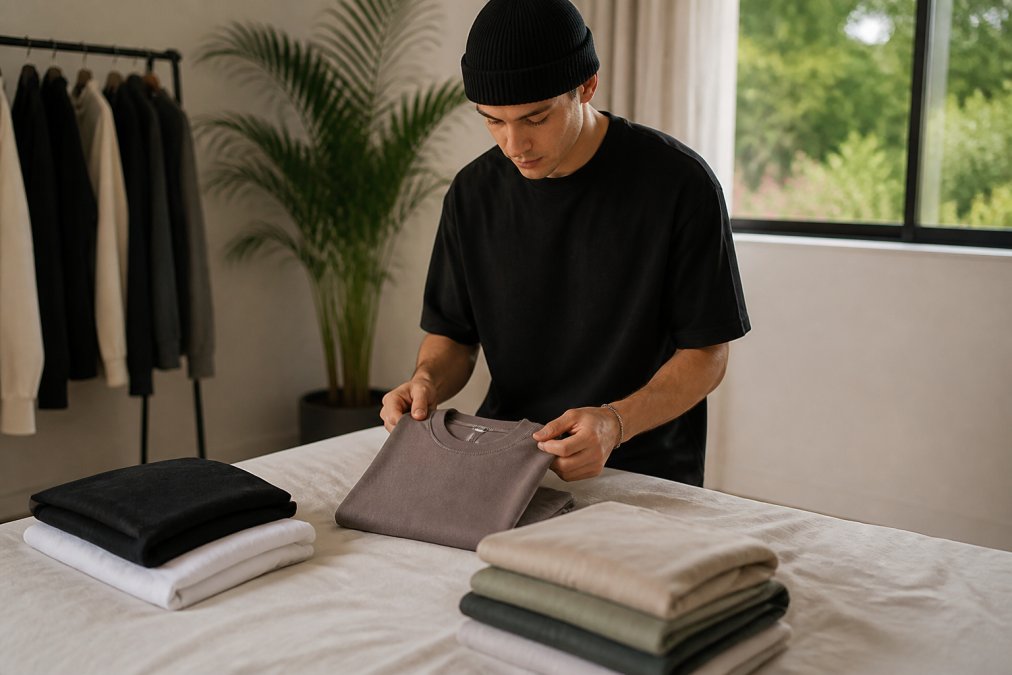
Divide garment cost by estimated wears: a $100 tee worn 200 times costs $0.50/wear; a $20 tee worn 10 times costs $2/wear. The expensive tee is cheaper long-term and produces less waste, but only if you actually wear it.
Building a Capsule Foundation
Start with 5-7 neutral tees, 2-3 hoodies, and versatile bottoms that coordinate and reflect your aesthetic. The Angel Number Starter Pack ($99.99) plus the 777 Essential Hoodie ($66.66) = $166 for five foundation pieces.
Care and Maintenance: Extending Garment Life
Machine wash cold, tumble dry low or air dry. Turn tees inside-out to reduce fading and pilling. Avoid fabric softener.
Repair: The Most Sustainable Practice
Repair is the most impactful action. A $2 patch or 15 minutes of hand-stitching extends a $100 piece's life by months or years.
- Seam separation: Hand-stitch or use a sewing machine to re-secure split seams. Takes 10-20 minutes; costs nothing.
- Small holes or tears: Patch from the inside with matching fabric, or use a visible patch as design element. Visible patches have become part of streetwear aesthetics.
- Pilling: Use a fabric shaver (electric or manual) to remove pills without damaging the garment. Costs $5-$15 for a tool.
- Fading or discoloration: Embrace it as patina. Intentional wear is part of conscious style.
- Stretched neckline or cuffs: Hand-stitch the elastic tighter, or accept the relaxed fit as part of the garment's evolution.
Many cities have repair cafes where volunteers teach garment repair free or low-cost, deepening your relationship with pieces and extending their life.
Resale: Giving Pieces a Second Life
Resale extends piece life before recycling.
Recycling: The Final Stage
Spiritual Alignment Through Intentional Fashion
Clothing carries meaning beyond function. Intentional fashion, choosing pieces aligned with your values, becomes a form of daily affirmation.
Conclusion
Sustainable streetwear for conscious living isn't a trend, it's a commitment to alignment between your values and your actions. Every purchase either supports or undermines the world you're building. Quality materials, ethical production, transparent supply chains, and intentional design are non-negotiable.
| Product | Price | Material | Best For | Key Feature |
|---|---|---|---|---|
| Celestial 11:11 Oversized T-Shirt | $33.33 | Vintage-washed cotton | Manifestation wear | Celestial accents, oversized fit |
| 222 Oversized T-Shirt | $33.33 | 100% cotton | Daily spiritual reminder | Trust & divine timing message |
| 777 Essential Hoodie | $66.66 | 53% polyester, 42% cotton blend | Layering & comfort | 10.2 oz/yd² durability |
| 11:11 Angel Number Tank Top | $22.22 | Cotton blend | Summer spiritual wear | Loose fit, breathable |
| 444 Performance Tank Top | $22.22 | Moisture-wicking blend | Yoga & workouts | Athletic performance fit |
| Angel Number Starter Pack | $99.99 | Cotton blend | Building your foundation | Three pieces |
Frequently Asked Questions
What makes sustainable streetwear different from regular fashion?
Sustainable streetwear prioritizes eco-conscious production, ethical labor practices, and durable materials designed to last years rather than seasons. It addresses the environmental impact of fast fashion by using organic cotton, recycled polyester, and low-impact dyes. Brands committed to this approach maintain supply chain transparency and fair wages, reducing the carbon footprint of each garment. Unlike conventional streetwear, sustainable options are built for conscious living, pieces you'll actually wear repeatedly.
How do I identify greenwashing in ethical streetwear brands?
Greenwashing occurs when brands make vague sustainability claims without verified proof. Look for specific certifications (Fair Trade, Global Organic Textile Standard) and transparent sourcing information. Legitimate ethical streetwear brands disclose their manufacturing locations, material compositions, and labor conditions. Be skeptical of brands using terms like 'eco-friendly' without third-party verification. Check customer reviews and testimonials, real brands share detailed information about their production processes and environmental impact, not just marketing language.
What materials should I look for in sustainable streetwear?
Prioritize organic cotton and recycled polyester. Premium fleece blends (like 53% polyester, 42% cotton combinations) offer durability and warmth. Check fabric weight and construction quality, heavier fabrics (10.2 oz/yd² or higher) indicate garments designed for longevity.
How does price-per-wear analysis help with conscious consumption?
Price-per-wear divides a garment's cost by the number of times you'll realistically wear it. Sustainable streetwear typically costs more upfront but can deliver lower per-wear costs due to durability and timeless design. This framework shifts focus from initial price to garment longevity, encouraging purchases of quality pieces you'll actually integrate into your capsule wardrobe. It's a practical tool for conscious living that rewards investment in pieces aligned with your values.
How can I build a conscious wardrobe without overspending?
Start with a capsule wardrobe of 5-7 core pieces in neutral tones, oversized tees, long sleeves, and hoodies that layer easily. Bundle purchases to qualify for free shipping (orders over $50) and look for starter packs that offer savings. Focus on minimalist aesthetic tees with spiritual or intentional messaging that resonate personally, ensuring you'll wear them repeatedly. Invest in quality basics first; add statement pieces gradually. Choose pieces made-to-order or sustainably produced to reduce waste. Prioritize garments you'll wear for years rather than accumulating trendy items.