 listicle
Sustainable Streetwear Trends for Men in 2026
Table of Contents
- Why Sustainable Streetwear Trends Matter for Conscious Men
- Natural Fabrics for Clothing: The Foundation of Sustainable Streetwear
- Organic Cotton Streetwear: Premium Quality Without Compromise
- Minimalist Streetwear Outfits for Men: Less Is More
- Sustainable Streetwear Brands for Men: Quality Over Quantity
- Fabric Weight, Construction, and Drape: What Makes Streetwear Last
- The Trade-Offs of Natural Fibers: Care, Cost, and Longevity
- Moving Toward Intentional Fashion
- Supporting Keywords Coverage
- External Sources
- Frequently Asked Questions
Last Updated: October 21, 2026
Why Sustainable Streetwear Trends Matter for Conscious Men
Sustainable streetwear trends are reshaping how men think about everyday clothing. At 12:12, we've seen a clear shift: conscious consumers no longer sacrifice quality or style for sustainability. They want pieces that reflect their values, perform well, and last.
Men who care about their impact are seeking streetwear that aligns with their spiritual and environmental beliefs. This isn't a niche anymore, it's where the industry is heading.
What separates sustainable streetwear from fast fashion is the foundation: natural fibers, thoughtful construction, and longevity. Pieces made from organic cotton, linen, hemp, or wool perform better, feel better, and genuinely last longer. The premium price reflects real value, not marketing.
Natural Fabrics for Clothing: The Foundation of Sustainable Streetwear
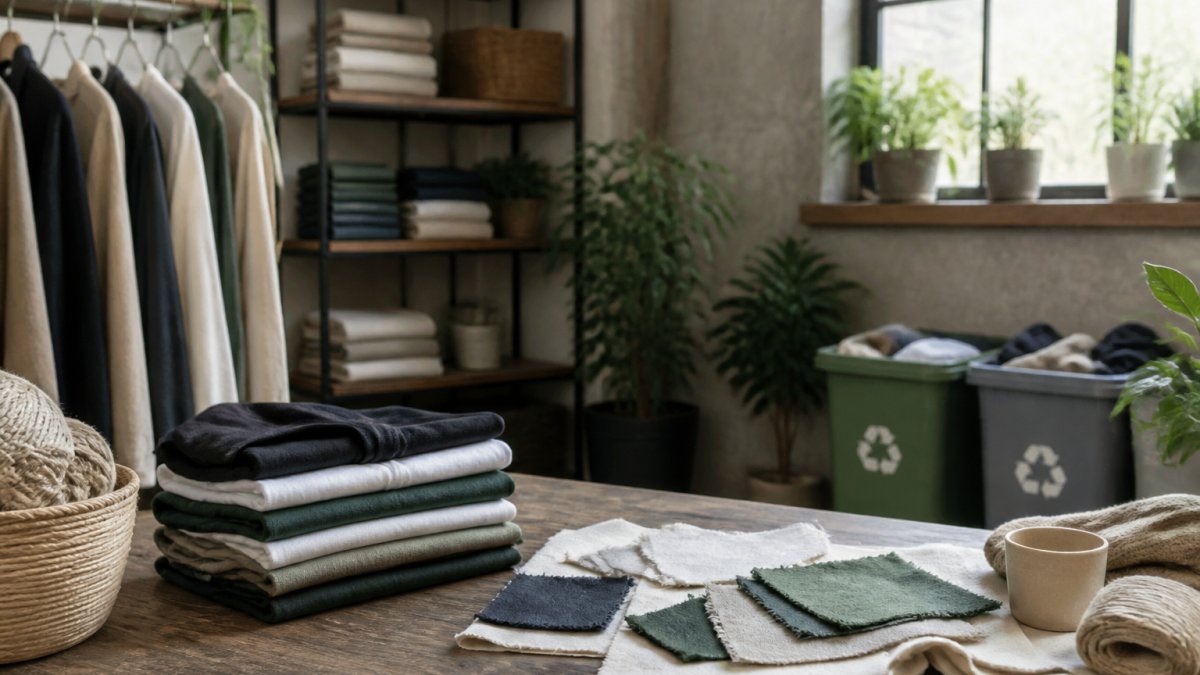
Natural fabrics are the backbone of sustainable streetwear trends for men. Unlike synthetics, natural fibers breathe, age beautifully, and biodegrade at end of life. They're also more comfortable against your skin, so you'll actually wear what you buy.
The key natural fibers in sustainable streetwear right now are organic cotton, linen, hemp, and wool. Each has distinct advantages depending on your climate, activity level, and style.
Organic Cotton Streetwear and Its Advantages
Organic cotton streetwear is the most versatile option for everyday wear. Grown without synthetic pesticides or fertilizers, it's better for the environment, gentler on your skin, and works in almost any season when you layer correctly.
Organic cotton feels lived-in from day one, especially when vintage-washed like the 222 Oversized T-Shirt from 12:12. A quality organic cotton tee at $33.33 offers genuine value because it holds up to years of regular wear and washing, developing character and softness over time.

What makes organic cotton streetwear sustainable is durability. A piece you wear hundreds of times has a far lower environmental impact per wear than a cheap synthetic shirt discarded after a season.
Linen, Hemp, and Wool: Breathability Meets Durability
Linen excels in warm weather: it's naturally moisture-wicking and dries quickly. It wrinkles easily, but that relaxed, slightly crumpled aesthetic fits the minimalist vibe perfectly.
Hemp is the most sustainable natural fiber available, requiring minimal water, no pesticides, and regenerating quickly. It's durable, gets softer with every wash, and is heavier than cotton or linen, ideal for structured pieces that anchor a minimalist outfit.
Wool, particularly merino, handles temperature regulation like nothing else, warm when it's cold, cool when it's warm. It also resists odor naturally, so you can wear pieces longer between washes. For sustainable streetwear, wool is the choice when durability and performance matter most.
Organic Cotton Streetwear: Premium Quality Without Compromise
Building sustainable streetwear trends around organic cotton means choosing quality over quantity: pieces versatile enough for multiple outfits and durable enough to justify the investment.
A well-made organic cotton oversized tee is the foundation of minimalist streetwear. The 11:11 Oversized T-Shirt and 777 Oversized T-Shirt from 12:12 both deliver this versatility at $33.33 each, with vintage-washed finishes that feel premium immediately.
The sustainability story of organic cotton streetwear extends beyond the fabric. Made-to-order production means less waste and overstock: each piece is made specifically for you, reducing the footprint of unsold inventory and supporting intentional purchasing.
Fit matters enormously.
Minimalist Streetwear Outfits for Men: Less Is More
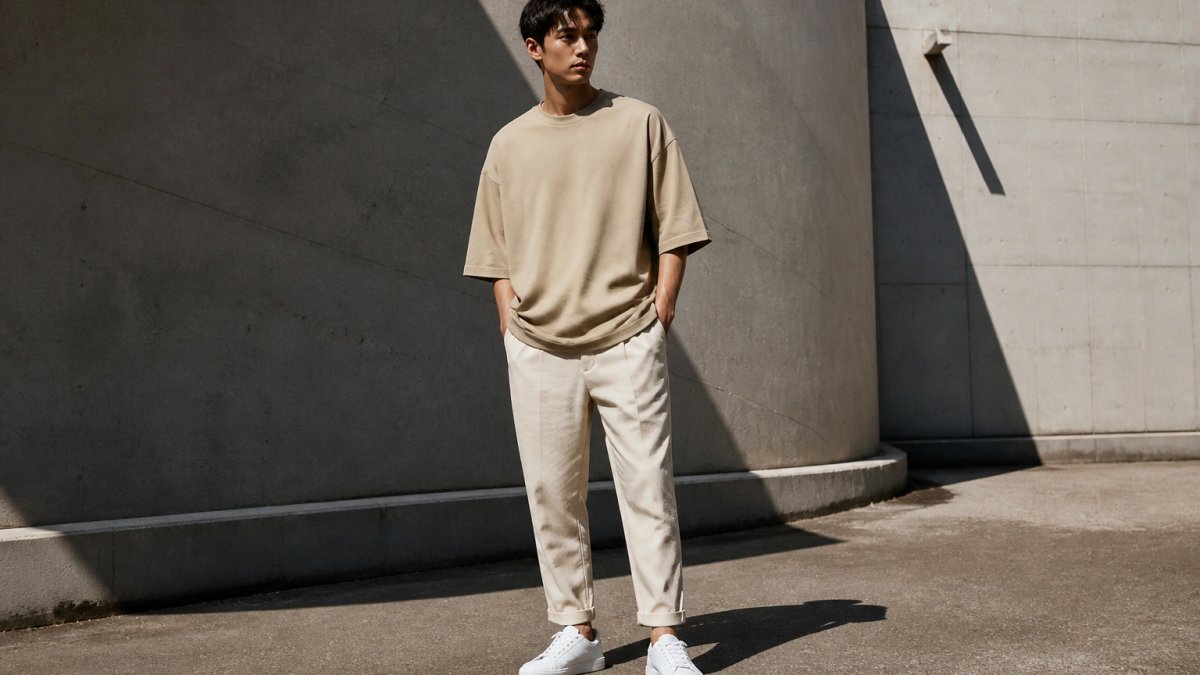
Minimalist streetwear outfits start with a simple principle: fewer pieces, better quality, maximum versatility. This supports sustainable streetwear trends because you buy less overall and wear everything more frequently.
Building a Capsule Wardrobe with Intention
A capsule wardrobe for sustainable streetwear starts with three to five core pieces that work together. Choose neutral colors: black, white, gray, beige, and olive. These colors combine easily and never feel dated. Add one statement piece if you want personality, but keep it minimal.
Your foundation pieces should be:
- Two oversized organic cotton tees in neutral colors
- One heavyweight hoodie for layering and warmth
- One pair of neutral pants that fit well
- One jacket or overshirt for structure
This five-piece base creates dozens of outfit combinations. You're not buying a new outfit for each day. You're building a system where every piece works with everything else. This is the essence of minimalist streetwear and the fastest path to sustainable fashion.
The psychological benefit is real too. An intentional wardrobe means you think about what you're wearing, move with purpose, and aren't drowning in choices or chasing trends. This aligns perfectly with the 12:12 philosophy of wearable affirmations and intentional living.
Versatile Pieces That Work Across Seasons
Layering is the secret to year-round minimalist streetwear. An oversized tee works alone in summer and under a hoodie or jacket in winter. The 222 Oversized T-Shirt, with its vintage-washed 100% cotton and celestial accents, transitions from spring through fall; add the 777 Essential Oversized Hoodie at $66.66 in cooler months and you've covered three seasons with two pieces.

Weight and construction matter for seasonal versatility. Lightweight natural fabrics work in warm weather; heavier fabrics like the hoodie's 10.2 oz/yd² fleece blend keep you warm without bulk. Choose pieces that layer without adding unnecessary volume.
Sustainable Streetwear Brands for Men: Quality Over Quantity
When evaluating sustainable streetwear brands, look for transparency in production and material sourcing. The best brands tell you exactly what they're making, where it's made, and why, they don't hide behind vague sustainability claims.
12:12 stands out by combining premium quality with intentional design. Every piece is made-to-order, eliminating waste and ensuring you buy something you'll actually wear.
Free shipping on orders over $50 makes building a quality wardrobe more accessible, two oversized tees or one hoodie ship without extra cost, encouraging intentional purchases rather than impulse buying.
222 Oversized T-Shirt | Celestial Vintage Washed Tee →
Quality streetwear brands stand behind their products. Made-to-order production typically takes 8-12 business days, but that timeline ensures each piece is created with care. The vintage-washed finishes on 12:12 tees feel broken-in immediately, so you're not waiting for comfort.
Fabric Weight, Construction, and Drape: What Makes Streetwear Last
Fabric weight determines how a garment drapes and how long it will last. Measured in ounces per square yard, heavier fabrics are more durable and age better.
Construction quality is where cheap streetwear falls apart, literally. Check the seams, the hem, and how the collar is finished. Quality pieces have reinforced seams that won't split, stitched (not glued) hems, and a substantial collar.
Drape is the way fabric falls on your body. The dropped shoulder and relaxed fit of pieces like the 11:11 Oversized T-Shirt demonstrate this principle.

Natural fibers drape differently than synthetics. Organic cotton develops its own character as you wear it, becoming softer and more fluid, which is why sustainable streetwear improves over time rather than degrading.
The Trade-Offs of Natural Fibers: Care, Cost, and Longevity
Natural fibers require more care than synthetic blends, and that's a trade-off worth understanding before you commit.
The higher upfront cost of sustainable streetwear is the biggest barrier for many people. A quality organic cotton tee costs more than a mass-produced synthetic version. But the cost-per-wear calculation changes this equation.
Longevity is the real advantage of natural fibers and quality construction. Pieces made from organic cotton, linen, and hemp last longer because the fibers don't degrade as quickly as synthetics.
The care requirements also encourage intentional living. You're not throwing pieces in the wash carelessly, you're respecting the garment by treating it properly, building a relationship with your clothes rather than treating them as disposable.
Moving Toward Intentional Fashion
Sustainable streetwear trends for men are fundamentally about intention. You're choosing pieces that reflect your values, support your spiritual practice, and actually improve your life, the opposite of fast fashion's approach of buying more and wearing less.
The shift toward natural fabrics, quality construction, and minimalist design isn't a trend that will fade. It's a correction. People are realizing that clothing should serve them, not the other way around.
Building a sustainable wardrobe doesn't require perfection, it requires intention. Start with one quality piece, notice how it feels and performs, then add another. Over time, you'll have a wardrobe that reflects who you are and supports how you want to live.
The sustainable streetwear trends for men in 2026 are defined by quality over quantity, natural fibers over synthetics, and intentional design over trend-chasing. Our collection of premium organic cotton tees and spiritual hoodies supports this approach. Shop the Collection and discover how sustainable streetwear can align your daily style with your deepest intentions.
Supporting Keywords Coverage
Sustainable streetwear brands for men: 12:12 represents the intersection of premium quality, sustainable production, and spiritual intention. The brand's made-to-order approach and organic cotton construction set it apart in the sustainable streetwear space.
Organic cotton streetwear: Featured throughout as the primary natural fiber for everyday sustainable streetwear. The 222, 11:11, and 777 oversized tees demonstrate how organic cotton delivers comfort, durability, and versatility.
Minimalist streetwear outfits for men: Covered extensively in the capsule wardrobe section, with specific recommendations for building intentional outfits from a limited number of quality pieces.
Natural fabrics for clothing: Discussed across multiple sections, including detailed breakdowns of organic cotton, linen, hemp, and wool, with guidance on choosing the right fabric for your climate and lifestyle.
External Sources
According to the Sustainable Apparel Coalition's environmental impact assessment, organic cotton production uses significantly less water and eliminates synthetic pesticides compared to conventional cotton farming, reducing environmental harm across the supply chain.
Research from the Ellen MacArthur Foundation's circular economy report on fashion demonstrates that extending garment lifespan through quality and durability is one of the most effective strategies for reducing textile waste and environmental impact.
The Federal Trade Commission's Guides for the Use of Environmental Marketing Claims emphasize that sustainable fashion brands must provide transparent information about production methods and material sourcing to avoid misleading consumers about environmental benefits.
Frequently Asked Questions
What makes sustainable streetwear trends different from regular fashion?
Sustainable streetwear prioritizes natural fabrics like organic cotton, linen, and hemp that biodegrade and require fewer chemicals in production. It emphasizes quality construction, timeless design, and garment longevity over fast-fashion trends. Brands committed to sustainability often use made-to-order production, reducing waste, and transparent sourcing practices. For conscious men, this means investing in pieces that align with intentional living and serve as wearable affirmations of personal values.
Why is organic cotton streetwear worth the investment?
Organic cotton streetwear eliminates synthetic pesticides and harsh chemicals used in conventional cotton production, making it better for both your skin and the environment. The fabric offers superior softness and breathability, meaning pieces maintain comfort through repeated wear and washing. Premium organic cotton pieces, like vintage-washed oversized tees at $33.33, deliver durability that justifies the cost over time. Quality construction and timeless design ensure these garments remain relevant season after season, reducing the need for constant replacement.
How do I build a minimalist streetwear wardrobe as a man?
Start with neutral, heavyweight natural-fiber basics: oversized tees in organic cotton, a quality hoodie, and versatile layering pieces. Choose garments with intentional design elements that resonate with your values, like spiritual graphics or celestial themes. Aim for pieces that work across multiple outfits and seasons. Prioritize fabric quality and construction over quantity; fewer, better pieces eliminate decision fatigue and reduce waste. Focus on garments you'll actually wear daily, ensuring each piece serves multiple styling purposes.
What natural fabrics work best for sustainable streetwear?
Organic cotton offers softness, breathability, and durability for everyday wear. Linen provides exceptional cooling properties and lightweight comfort for warm weather. Hemp combines sustainability with strength and improves with age. Merino wool delivers temperature regulation and moisture management for layering. Many sustainable brands now blend these fibers for balanced performance: the Essential Oversized Hoodie combines 42% cotton with 53% polyester and 5% other fibers for optimal warmth and comfort in a thick 10.2 oz/yd² fabric weight.