 ultimate-guide
Why Choose Organic Cotton Streetwear
Table of Contents
- What Makes Organic Cotton Streetwear Different
- Benefits of Organic Cotton Clothing for Your Skin and Health
- Organic Cotton vs Conventional Cotton: The Real Differences
- Why Organic Cotton Matters for Sustainable Fashion
- How to Care for Organic Cotton Tees to Maximize Durability
- Spotting Real Organic Cotton vs Greenwashing
- Cost Per Wear: Why Organic Cotton Streetwear Is Worth the Investment
- Frequently Asked Questions
Last Updated: September 24, 2026
What Makes Organic Cotton Streetwear Different
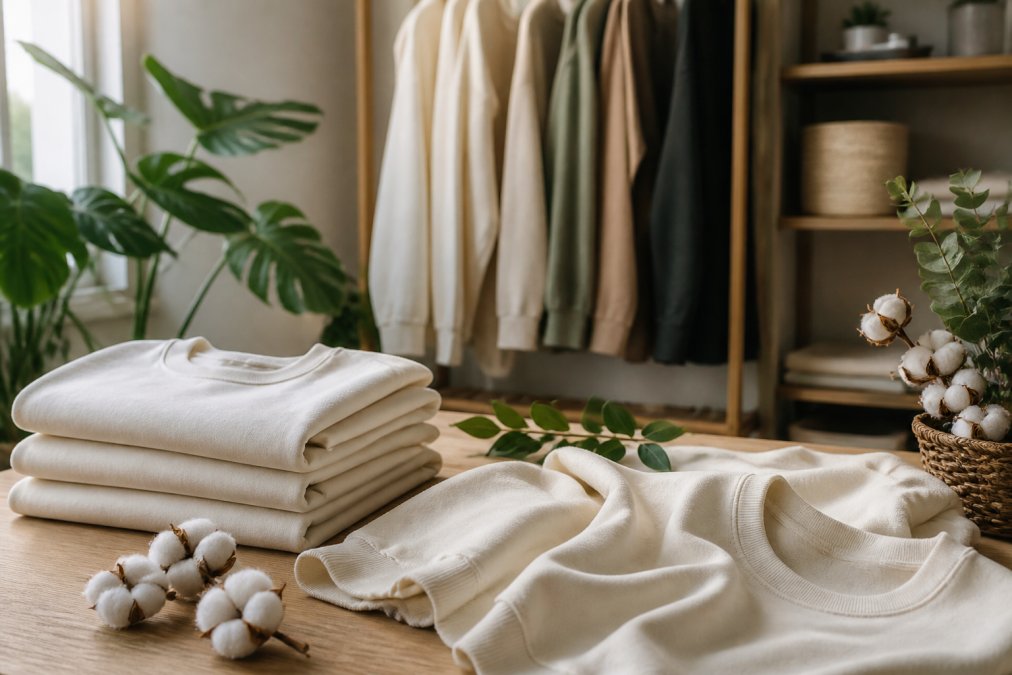
Organic cotton streetwear is grown without synthetic pesticides, herbicides, or genetically modified seeds, a difference that affects how the fabric feels and how long it lasts.
Organic cotton is processed without formaldehyde or heavy synthetic colorants, while conventional cotton retains chemical residues. This is why organic pieces feel softer and maintain quality through multiple wash cycles.
Organic farming uses crop rotation and natural pest management, building soil health and producing stronger, more durable fibers. At 12:12, we've selected organic cotton because the fabric quality supports the longevity we promise, pieces designed to be worn intentionally, not discarded after a season.
Organic cotton takes dye differently, producing warmer, more authentic tones without harsh chemical sheen.
Benefits of Organic Cotton Clothing for Your Skin and Health
Organic cotton reduces chemical exposure since it's worn directly against your skin for hours at a time.
People with sensitive skin, eczema, or dermatitis often report fewer flare-ups with organic cotton, which lacks the formaldehyde-based resins and heavy metals used in conventional processing.
Organic cotton fibers aren't coated with chemical finishes, providing better moisture-wicking and comfort throughout the day.
Durability means fewer replacements and reduced chemical exposure over time, supporting both immediate comfort and long-term health.
Organic Cotton vs Conventional Cotton: The Real Differences
Conventional cotton depletes soil with synthetic pesticides that run off into water systems, while organic farming builds soil through biodiversity, creating stronger, more resilient fibers.
Organic cotton fibers are longer and stronger, producing garments that hold shape, resist pilling, and maintain color. Conventional cotton degrades faster due to depleted soil and synthetic finishes.
Conventional processing uses heavy metals and synthetic colorants, while organic cotton uses water-based processes, resulting in pieces that age better.
| Aspect | Organic Cotton | Conventional Cotton |
|---|---|---|
| Pesticide Use | None | Synthetic pesticides applied regularly |
| Soil Health | Builds soil over time | Depletes soil with chemicals |
| Chemical Finishes | Minimal, water-based | Formaldehyde, heavy metals, synthetic dyes |
| Fiber Strength | Naturally strong, long-staple | Weaker, shorter fibers |
| Hypoallergenic Properties | Yes, naturally | No, chemical residues remain |
| Breathability | High, moisture-wicking | Reduced by chemical coatings |
| Color Retention | Warm, authentic tones | Bright but fades quickly |
| Durability | 3-5+ years with care | 1-2 years typical |
Why Organic Cotton Matters for Sustainable Fashion
For streetwear, organic cotton aligns the culture's values with material performance in ways general sustainable fashion guides miss.
Streetwear prioritizes intentionality and longevity over trend cycles. Pieces are worn repeatedly and kept for years, making organic cotton's longer, stronger fibers ideal, they maintain integrity through heavy wear while conventional cotton fades and pills within a season or two.
Conventional cotton uses 16% of global pesticides on 2.5% of farmland, while organic farming eliminates that load and uses rainwater more efficiently. Sustainability includes garment longevity: one durable tee worn for five years is more sustainable than five disposable tees, regardless of material.
According to the EPA's guidance on sustainable textiles, the textile industry's environmental impact includes water usage, chemical pollution, and waste generation. Choosing organic cotton addresses all three. When you invest in organic cotton streetwear from 12:12, you're supporting a model where the garment is meant to be worn intentionally for years, not discarded seasonally. This is the core of sustainable streetwear: material quality that matches the cultural commitment to intentional living.
Organic cotton is biodegradable, breaking down naturally instead of persisting in landfills. A hoodie lasting seven years and biodegrading is exponentially more sustainable than one lasting two years in a landfill.
Streetwear production involves screen printing and specialty finishes. Water-based dyes and inks reduce chemical load compared to petroleum-based alternatives. Supply chain transparency matters because a piece can claim organic cotton but introduce chemicals during printing or dyeing.
Choosing organic cotton streetwear aligns with intentional living, pieces that last, with materials that don't harm production systems.
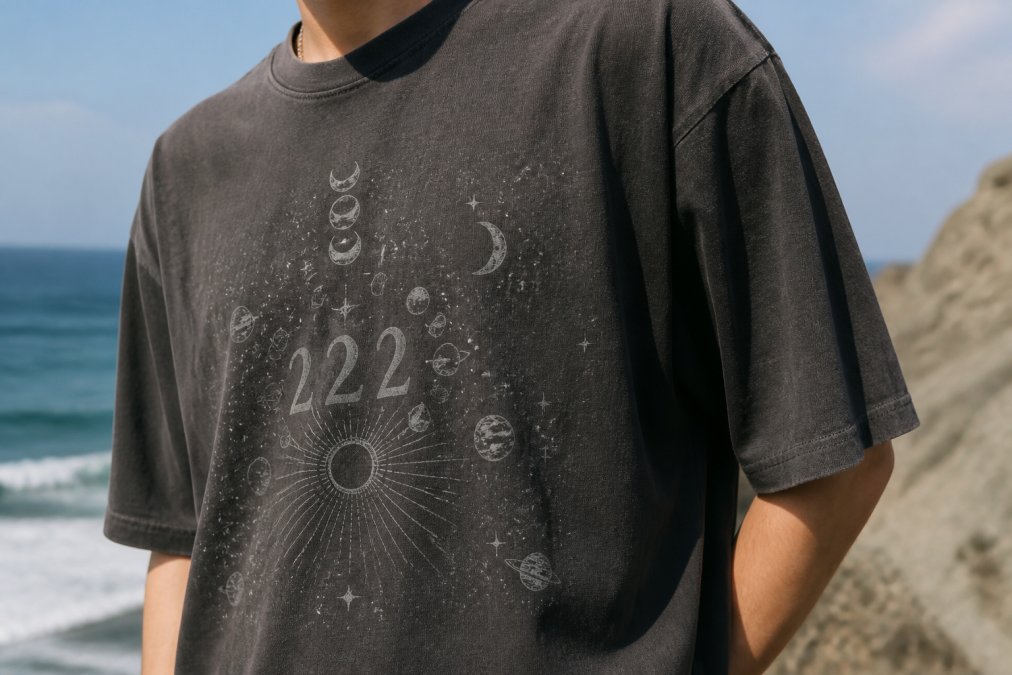
222 Oversized T-Shirt | Celestial →
How to Care for Organic Cotton Tees to Maximize Durability
The care routine you follow determines how long your organic cotton streetwear actually lasts. This is where intentional living meets practical action.
Wash in cold water. Hot water breaks down fibers faster and can set stains permanently. Cold water preserves the fabric integrity and keeps colors vibrant. Most modern detergents work effectively in cold water, so there's no performance trade-off.
Avoid the dryer when possible. Machine drying creates friction that weakens fibers and causes pilling. Hang-dry your organic cotton tees in natural light. This takes longer, but it extends garment life significantly. If you must use a dryer, use the lowest heat setting.
Use gentle detergent without optical brighteners or heavy chemicals. Organic cotton doesn't need harsh cleaning agents, the fibers respond well to mild soap. Detergents designed for delicates work perfectly and cost less than specialty products.
Wash inside-out to protect the graphic print. This simple step keeps the design vibrant through dozens of washes. For pieces like the 11:11 Angel Number Loose Tank Top, this matters because the spiritual design is what makes the piece meaningful to you.

Avoid bleach and fabric softener. Bleach weakens organic cotton fibers and can damage the dyes. Fabric softener coats the fabric with chemicals that reduce breathability and moisture-wicking over time. Neither is necessary.
Store in a dry, cool place away from direct sunlight. This prevents color fading and mold growth. Fold rather than hang to prevent stretching at the shoulders.
Spotting Real Organic Cotton vs Greenwashing
Not every label claiming "organic" or "natural" is legitimate. Greenwashing, making products sound more sustainable than they actually are, is rampant in the fashion industry. For streetwear specifically, the risk is higher because heavyweight fabrics, screen printing, and dyeing processes introduce multiple points where chemicals can enter the supply chain, even if the raw cotton is certified organic.
Real organic cotton carries certification, but the type matters for streetwear. Look for GOTS (Global Organic Textile Standard) certification, which verifies that the cotton was grown organically AND processed without harmful chemicals through every stage, including dyeing, printing, and finishing. GOTS is the most rigorous standard and specifically addresses the processes that streetwear brands use. If a brand claims organic cotton but doesn't display GOTS certification, ask why. Many brands source organic cotton but then use conventional dyeing or printing methods that reintroduce chemicals, defeating the purpose.
For screen-printed pieces like graphic tees, look for OCS (Organic Content Standard) certification as a secondary verification. OCS tracks organic fiber content through the supply chain and confirms that the finished garment maintains its organic integrity. A streetwear brand using organic cotton but conventional plastisol screen inks is not delivering what the certification implies. Legitimate brands will specify both the fiber certification and the ink/dye certifications used in production.
Check the product description for specifics about the entire supply chain, not just the cotton. Legitimate brands tell you: where the cotton is grown, which certifications it carries, how it's dyed (water-based vs. conventional), what inks are used for any graphics, and whether the finished garment has been tested for chemical residues. Vague language like "eco-friendly" or "natural" without concrete details is a red flag. At 12:12, we specify that our tees are made from 100% organic cotton and disclose the production timeline.
Ask about supply chain transparency specifically for the production stages that matter to streetwear. Real sustainable brands can explain: where the cotton is grown, which facility processes and dyes it, which facility handles screen printing or embroidery, and how quality control verifies no harmful chemicals were introduced at any stage. If a brand can't answer these questions or deflects with general sustainability language, they're likely not controlling the supply chain carefully enough to guarantee what they're claiming. Many fast-fashion brands now offer "organic" lines but outsource production to facilities that don't maintain organic standards during finishing, the cotton arrives organic but leaves conventional.
Greenwashing often uses specific visual tricks: earth-tone packaging, leaf logos, vague environmental imagery, or claims like "made with organic cotton" (which could mean 5% organic, 95% conventional). The actual product details and certifications tell the real story. A genuinely organic streetwear piece will have GOTS or OCS certification clearly displayed, specific information about dyes and inks used, and transparent production practices listed clearly.
Price is a signal too.
Cost Per Wear: Why Organic Cotton Streetwear Is Worth the Investment
The environmental cost-per-wear matters too. A garment that lasts longer means fewer resources consumed over your lifetime. One durable piece beats five disposable ones, even if the five cost less individually.
Frequently Asked Questions
What are the main benefits of wearing organic cotton streetwear?
Organic cotton streetwear eliminates exposure to synthetic pesticides, formaldehyde, and harsh chemical residues used in conventional cotton production. The fabric is hypoallergenic, making it ideal for sensitive skin and reducing dermatitis risk. Organic cotton is also more breathable and moisture-wicking than synthetic blends, keeping you comfortable during daily wear. Beyond personal health, choosing organic cotton streetwear supports sustainable farming practices that protect soil health and reduce carbon footprint.
How does organic cotton differ from conventional cotton in terms of durability?
Organic cotton fibers maintain superior fiber integrity because they're grown without synthetic pesticides that can weaken the fiber structure. This means organic cotton garments resist pilling, fading, and deterioration better with proper care. Conventional cotton often undergoes harsher chemical processing that compromises durability. When you invest in organic cotton streetwear like the 222 Oversized T-Shirt, the heavyweight cotton construction combined with organic farming methods creates pieces designed to last years, not seasons.
Is organic cotton streetwear worth the higher price?
Yes, when calculated by cost-per-wear. Organic cotton pieces last significantly longer due to superior fiber quality, meaning you wear them more times before replacement. Beyond economics, you're paying for pesticide-free production, reduced environmental impact, and garments that feel better against your skin. For conscious consumers prioritizing quality and sustainability, the investment aligns with intentional living.
What should I look for to ensure my streetwear is truly organic cotton?
Check product descriptions for '100% organic cotton' rather than vague claims like 'eco-friendly' or 'natural.' Legitimate brands disclose their supply chain and production methods. Avoid greenwashing by questioning whether the brand mentions pesticide-free farming, chemical-free processing, and sustainable production timelines. Brands like 12:12 that highlight made-to-order production and transparent sourcing are typically authentic.