 listicle
5 Best Natural Materials for Streetwear
Table of Contents
- Why Natural Materials Matter for Streetwear
- Organic Cotton Streetwear: The Foundation of Comfort
- Hemp Clothing: Durability Meets Sustainability
- Linen for Breathability and Lightweight Style
- Wool and Merino: Temperature Control for Year-Round Wear
- Silk: Premium Softness and Drape
- Best Fabrics for Streetwear: Blends and Breathable Fabrics for Everyday Wear
- How to Choose and Care for Natural-Fiber Streetwear
- Frequently Asked Questions
Last Updated: October 20, 2026
Why Natural Materials Matter for Streetwear
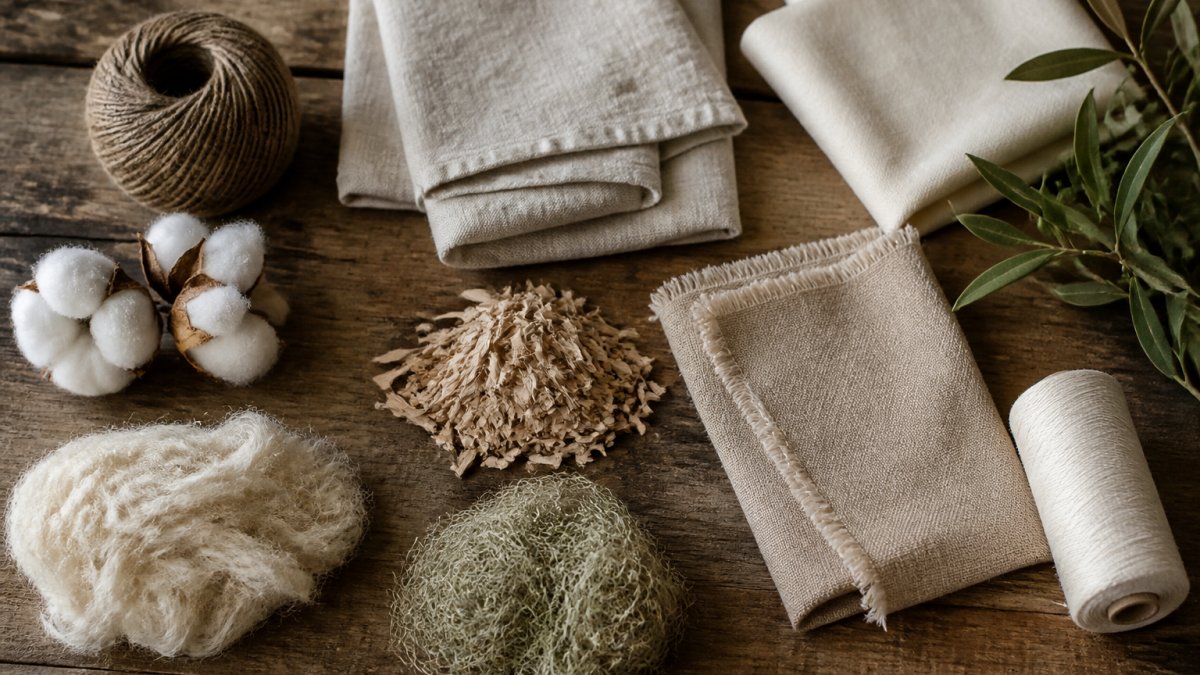
When exploring 5 best natural materials for streetwear, you'll find they've become essential for anyone serious about intentional fashion: they breathe better, age beautifully, and align with conscious values. The shift toward natural fibers in streetwear isn't a trend, it's a recognition that quality fabrics support comfort and longevity.
Natural fibers like cotton, hemp, linen, and wool regulate temperature, let skin breathe, and develop character instead of pilling or fading.
The 5 best natural materials for streetwear each bring different strengths, moisture management, durability, drape. Understanding these differences helps you choose pieces that serve your lifestyle rather than sitting unworn in your closet.
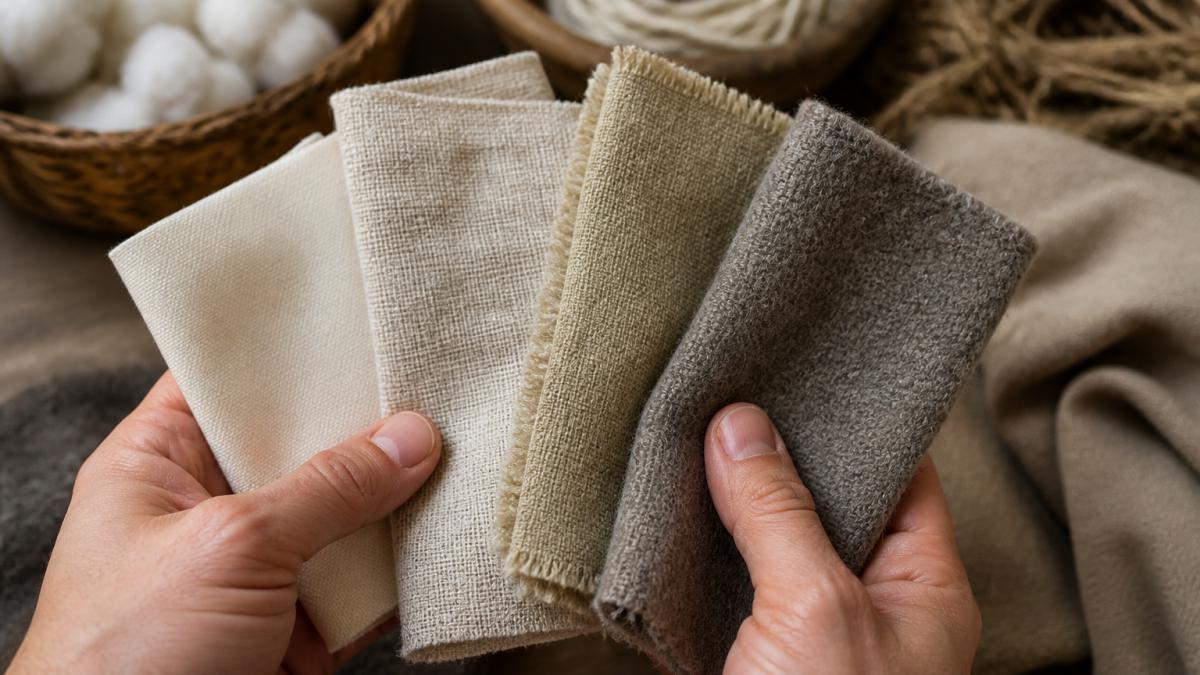
Organic Cotton Streetwear: The Foundation of Comfort
Organic cotton remains the gold standard for everyday streetwear, delivering softness, breathability, and durability without synthetic chemicals. Unlike conventional cotton, organic varieties are grown without pesticides or synthetic fertilizers, better for skin and the environment.
Cotton's breathability makes it ideal for layering and year-round wear, wicking moisture away from your body.
The real advantage is longevity: quality pieces soften with each wash rather than deteriorating and get more comfortable the more you wear them.
Our 222 Oversized T-Shirt combines soft vintage-washed 100% cotton with celestial design elements, priced at $33.33. The vintage wash gives it that perfectly broken-in feel from day one, while the oversized silhouette works for layering and everyday spiritual wear.

Care matters: machine wash cold and tumble dry low to preserve the fabric's integrity, extending the life of your pieces significantly.
Hemp Clothing: Durability Meets Sustainability
Hemp is the answer when durability and sustainability matter most. It requires less water and fewer pesticides, making it one of the most eco-conscious natural materials available.
Hemp fabric is slightly heavier and more structured, making it excellent for garments that need to hold their shape, like oversized tees and structured jackets. It softens with wear, creating that coveted broken-in appearance without sacrificing structure.
Hemp grows rapidly, requires minimal chemical inputs, and regenerates soil rather than depleting it, a material choice that reflects values beyond aesthetics.
One drawback: hemp wrinkles more easily and requires intentional care. But that imperfection is part of its appeal in streetwear, wrinkles add to the lived-in, intentional aesthetic.
Linen for Breathability and Lightweight Style
Linen is the ultimate warm-weather natural material, perfect for summer streetwear or transitional layering.
Linen's slightly irregular weave gives it character and prevents it from looking mass-produced, making linen pieces feel premium and intentional, perfectly aligned with minimalist luxury streetwear philosophy.
Its low density and hollow fiber structure move moisture through the fabric quickly while air circulates freely around your skin.
Linen wrinkles considerably, but that aesthetic has become desirable in contemporary streetwear, it adds authenticity and suggests a piece that's actually worn. Care is straightforward: machine wash cold and air dry.
Wool and Merino: Temperature Control for Year-Round Wear
Wool and merino provide temperature regulation: the fiber's crimp traps air for insulation while moisture vapor transport lets excess heat escape. That matters most in pieces worn across seasons, hoodies, crewnecks, overshirts, and heavier tees.

Merino is the streetwear-friendly grade: finer fibers sit against skin without the itch of coarse wool, and it's naturally antimicrobial.
How wool performs in actual streetwear garments
- Hoodies and crewnecks: Look for loopback terry or French terry in the 300-400 GSM range for a structured drape that holds its shape. Merino-blend terry gives warmth without the bulk of a 450+ GSM cotton fleece.
- Tees: A 150-180 GSM merino jersey drapes closer to the body and resists the sagging that heavyweight cotton can develop at the neckline.
- Overshirts and outerwear: Woven wool, flannel, melton, or boiled wool, provides structure for cargos and chore coats. Wovens don't stretch, so check the shoulder and chest measurements rather than relying on the fabric to give.
- Socks and accessories: Merino's moisture handling makes it a common choice for socks and beanies, where cotton stays damp and cold.
The trade-offs nobody puts on the hangtag
Wool is durable but not indestructible. It pills at high-friction points, underarm seams, cuffs, bag-strap rub, so a fabric shaver becomes part of your care kit. It also shrinks with heat and agitation, making cold hand washing or a delicate cycle and flat drying non-negotiable.
Moisture management is where wool separates itself from cotton: wool absorbs a meaningful share of its weight in moisture vapor without feeling wet, then releases it into the air, while cotton holds liquid against the skin.
Sourcing and sustainability caveats
Wool's sustainability story is more nuanced than "natural equals better." Sheep production involves land use, feed, and animal-welfare considerations, and the environmental profile varies widely by farm and region. Look for certifications and traceability claims, and prioritize fewer, better wool pieces you repair rather than replace.
Silk: Premium Softness and Drape
Silk represents premium softness and elegant drape. Its protein structure creates a smooth surface that feels luxurious against skin and reflects light beautifully, reinforcing intentional presence in streetwear designed as wearable affirmations.
222 Oversized T-Shirt | Celestial Vintage Washed Tee →
Silk's breathability rivals linen, but its drape is distinctly different: while linen has structure and texture, silk flows. That makes it ideal for layering pieces, scarves, and garments where movement matters, it moves with your body rather than holding a fixed shape.
Silk's sustainability profile is complex: sericulture has environmental impacts, but silk is biodegradable and produces minimal waste compared to synthetics. Understanding this trade-off is part of making intentional choices.
Silk requires careful handling: hand wash in cool water with gentle soap, then air dry away from direct sunlight.
Best Fabrics for Streetwear: Blends and Breathable Fabrics for Everyday Wear
The best natural materials for streetwear often work together in thoughtful blends: cotton-linen combines softness with breathability and texture, while merino-silk offers warmth with elegant drape. These combinations solve problems single fibers can't, but they complicate the "natural" label.
What actually counts as natural
A fabric marketed as natural may be blended with synthetic fiber or finished with chemical treatments. The only reliable check is the fiber-content label, which lists each fiber by percentage. A 60% cotton / 40% polyester garment isn't a natural-fiber garment in any meaningful sense, it borrows some natural-fiber properties.
Common blends and what they do:
- Cotton-linen: Softness plus breathability and texture. Wrinkles less than pure linen, drapes more than pure cotton.
- Cotton-hemp: Adds strength and structure to cotton's softness. Common in tees and lightweight jackets.
- Merino-silk: Warmth with a smoother hand and more drape than wool alone.
- Cotton-elastane (usually 2-5%): Adds stretch and recovery, which helps ribbed cuffs and waistbands hold shape. The trade-off is that elastane is synthetic and reduces biodegradability.
Fabric weight, construction, and drape
Two garments can share fiber content and behave completely differently because of weight and construction. Fabric weight is commonly expressed in GSM (grams per square meter) or ounces per square yard. A rough streetwear guide:
- Lightweight jersey (roughly 120-160 GSM): Thin tees that drape close to the body and show texture. Prone to transparency in light colors.
- Midweight jersey (roughly 160-220 GSM): The everyday tee range, substantial enough to hold a boxy silhouette without feeling heavy.
- Heavyweight jersey and fleece (roughly 250-400+ GSM): Structured tees, hoodies, and crewnecks that hold an oversized shape. Loopback terry and French terry are common here; loopback has visible loops on the inside, French terry is smoother.
Construction matters as much as weight. Knits (jersey, terry, rib) stretch and drape; wovens (twill, canvas, flannel) hold structure and don't give. For oversized silhouettes, fabric needs enough weight to fall away from the body rather than cling, hence 250+ GSM cotton or cotton-blend fleece in hoodies.
Breathability is a construction question, not just a fiber question
Heavyweight fabrics with tight weaves trap heat; lightweight fabrics with open structures allow airflow. A 400 GSM fleece hoodie is warm by design, regardless of fiber. For everyday wear, a medium-weight natural fiber or natural-dominant blend offers the best balance, warm enough for layering, breathable enough for activity, durable enough for frequent washing.
Price and value over time
Natural-fiber streetwear generally sits in a higher price tier than synthetic fast fashion, and the honest way to judge it is cost per wear. A well-constructed natural-fiber tee worn weekly for two years often costs less per wear than a cheaper synthetic tee that pills and loses shape in a season. The drivers are fabric weight, construction quality (stitching, seam finish, rib recovery), and how well the care instructions fit your routine.
| Material | Breathability | Durability | Care Level | Best For |
|---|---|---|---|---|
| Organic Cotton | High | Medium | Easy | Everyday layering, versatile wear |
| Hemp | Medium | Very High | Moderate | Structured pieces, sustainable focus |
| Linen | Very High | Medium | Moderate | Warm weather, lightweight style |
| Merino Wool | High | High | Moderate | Year-round wear, temperature control |
| Silk | High | Low | Difficult | Premium pieces, intentional wear |
| Cotton-Blend | High | High | Easy | Performance everyday wear |
Fiber-content labeling requirements for textiles
How to Choose and Care for Natural-Fiber Streetwear
Choosing the right natural material starts with your actual lifestyle, not your ideal one.
Consider the garment's purpose before selecting material. A meditation hoodie benefits from merino's temperature regulation and antimicrobial properties. A summer tee needs cotton or linen's breathability.
Quality indicators matter as much as material choice. Look for fabric weight, fiber length, and construction method.
Care practices extend the life of natural-fiber pieces dramatically.
Storage matters too. Keep natural-fiber pieces in breathable containers away from direct sunlight, and use cedar blocks or lavender sachets to protect against moths without harsh chemicals.
Choosing the right natural materials for streetwear means prioritizing quality, durability, and alignment with your values.
At 12:12, we believe that intentional fashion starts with intentional material choices.
Frequently Asked Questions
What are the most natural materials for clothing?
The most natural materials for clothing include organic cotton, hemp, linen, wool, merino wool, and silk. These fibers come directly from plants or animals and biodegrade naturally. Organic cotton is the most accessible for everyday wear, while hemp offers exceptional durability. Each has distinct benefits: linen excels in hot weather, wool provides warmth, and silk delivers premium softness. Natural materials generally require less chemical processing than synthetics, making them better for both skin and the environment.
Is hemp fabric durable enough for everyday clothing?
Yes, hemp fabric is exceptionally durable for everyday wear. Hemp fibers are stronger than cotton and become softer with each wash, improving over time rather than degrading. This makes hemp clothing ideal for streetwear pieces that see regular use. The main trade-off is that hemp has a heavier texture initially, though this settles into a comfortable, lived-in feel perfect for intentional, long-lasting pieces.
Which natural fabric is best for hot weather?
Linen is an excellent natural fabric for hot weather due to its exceptional breathability and moisture-wicking properties. Linen's hollow fiber structure allows air to flow freely, keeping you cool and comfortable. Organic cotton is also excellent for summer wear, offering breathability and softness. Both fabrics dry quickly and feel light against the skin. For everyday wear in warm climates, look for lightweight constructions and loose-fitting silhouettes like oversized tees that maximize airflow.
Are natural fabrics more sustainable than synthetic fabrics?
Natural fabrics are generally more sustainable than synthetics because they're biodegradable and renewable. Organic cotton requires no synthetic pesticides, hemp grows without intensive inputs, and wool is naturally renewable. However, sustainability depends on production practices. Responsibly sourced natural fibers with minimal chemical processing are significantly better for the environment than petroleum-based synthetics. When choosing streetwear, look for brands using sustainably made-to-order production to reduce waste and support intentional, conscious fashion.
How do you care for natural-fiber streetwear?
Care varies by fiber: cotton and linen should be machine-washed cold and tumble-dried low to preserve fabric integrity. Hemp becomes softer with washing and benefits from cold water. Wool and merino require gentle handling, often hand-washing or delicate cycles to prevent shrinking. Silk needs special care with cool water and minimal agitation. Most natural fibers benefit from washing inside-out to protect prints and turning items to dry naturally when possible. Proper care extends garment longevity, making natural-fiber pieces worthwhile investments in your everyday wardrobe.