 ultimate-guide
What Clothes Do Spiritual People Wear?
Table of Contents
- What Clothes Do Spiritual People Wear?
- Spiritual Clothing for Everyday Wear
- Natural Fibers and Breathable Fabrics
- Clothes for Meditation and Spiritual Practice
- Mindful Fashion and Intentional Dressing
- Color, Symbolism, and Spiritual Fashion Style
- Comfort, Fit, and Personal Expression
- Frequently Asked Questions
Last Updated: October 16, 2026
What Clothes Do Spiritual People Wear?
Spiritual clothing isn't a uniform, it's a personal choice reflecting how someone wants to move through the world with intention, comfort, and alignment with their values.
The answer varies: some gravitate toward natural fabrics and earthy tones, others wear angel number symbols or celestial designs as daily reminders, and many prioritize comfort and ease of movement for meditation, yoga, or staying present. At 12:12, we create garments that feel like an extension of your values, not just something to cover your body.
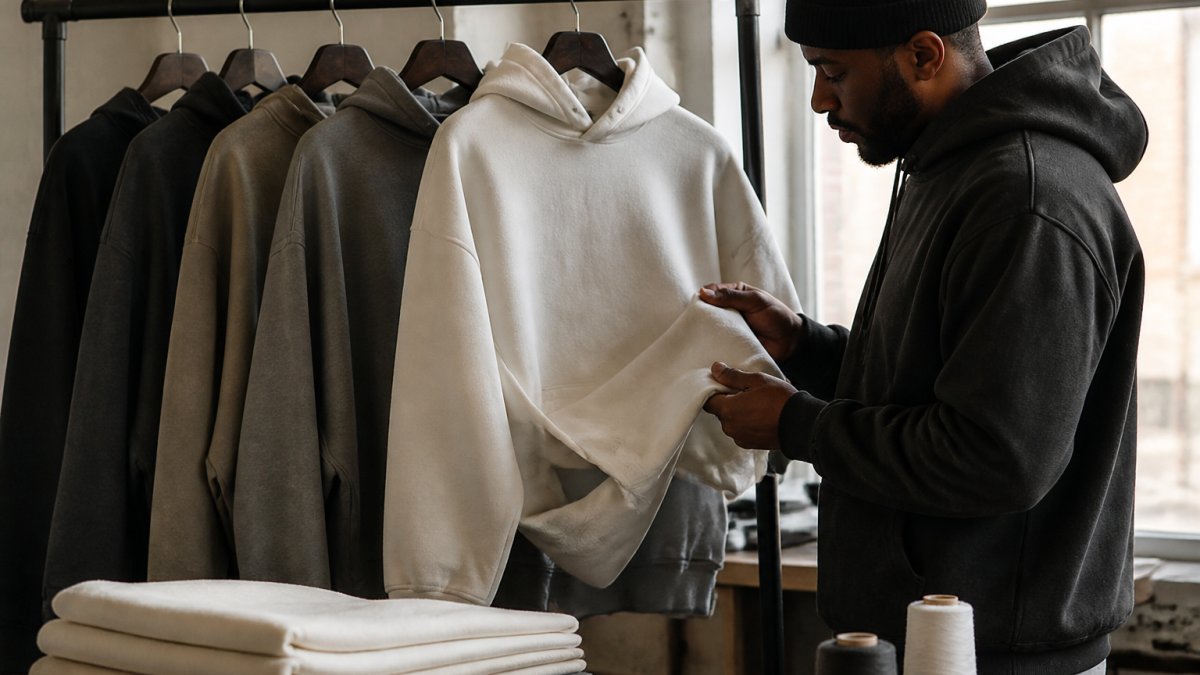
Spiritual clothing can be anything from a simple cotton t-shirt to a premium oversized hoodie, from loose-fitting loungewear to a structured long sleeve shirt with meaningful symbolism. The key is intention. The garment should support how you want to feel and who you want to be.

Spiritual Clothing for Everyday Wear
What makes clothing "spiritual" for everyday use comes down to alignment with your lifestyle and beliefs: pieces that allow freedom of movement, remind you of your intentions, and feel authentic to your style.
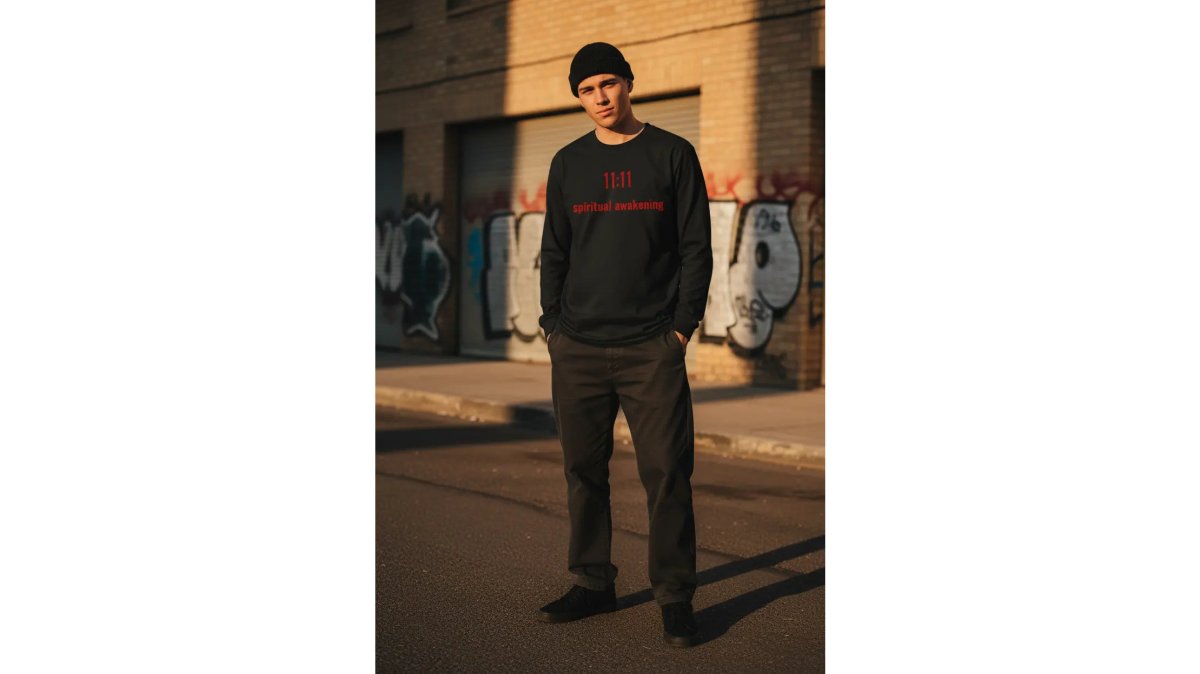
Everyday spiritual wear doesn't require special occasions. The 11:11 Angel Number Long Sleeve Shirt from 12:12, for example, works as both a casual layering piece and a wearable affirmation, a reminder that you're a conscious creator of your reality, worn while you're living it.

Many spiritually-minded people choose pieces that serve dual purposes: comfort for daily life and symbolic meaning that reinforces their practice.
Practicality matters. If a spiritual garment doesn't fit your actual life, if you never wear it because it's uncomfortable or impractical, it's just expensive cloth. Choose pieces you'll actually reach for, that move with your body, and that feel good all day.
Natural Fibers and Breathable Fabrics
Fabric is where a lot of spiritual clothing advice gets vague. "Natural" and "breathable" aren't the same thing.
Cotton. Soft, breathable, and durable through frequent washing; standard cotton softens over time, while a vintage or garment wash skips the break-in.
Hemp. Durable, mildew-resistant, and softer with every wash, using less water and fewer pesticides than conventional cotton.
Linen. The most breathable common natural fiber and excellent in heat, wicking moisture and drying fast.
Bamboo lyocell and modal. Semi-synthetics made from plant cellulose: extremely soft, drapey, and cool against the skin, a common pick for yoga wear.
Wool (including merino). Temperature-regulating, odor-resistant, and warm even when damp; merino is fine enough to wear against the skin.
Polyester and blends. Not inherently unspiritual. Synthetics are durable, hold their shape, dry fast, and resist wrinkles, which is why they're common in activewear.
- Weight matters as much as material. A heavyweight fleece (the 777 hoodie uses a 10.2 oz/yd² fleece) feels grounding and warm; a lightweight cotton tee disappears in summer. Match weight to climate and practice, not a mood board.
- Weave and knit change everything. A loose open knit breathes far better than a tight jersey of the same fiber. If you run hot, look at construction, not just the fiber name.
- Care determines lifespan. Cold water, gentle detergent, and air drying roughly double the life of most natural-fiber garments, the biggest lever on cost-per-wear and environmental impact.
- Check the label. "Cotton blend" can mean 5% cotton. The fiber content list is the honest part of the tag.
On sustainability, the biggest impact most people can make isn't switching fibers, it's wearing what they already own more often and buying less. When you do buy, natural fibers and transparent production are reasonable signals, but "natural" and "sustainable" aren't synonyms, and a garment's real footprint depends on how it was grown, made, shipped, and washed.
Clothes for Meditation and Spiritual Practice
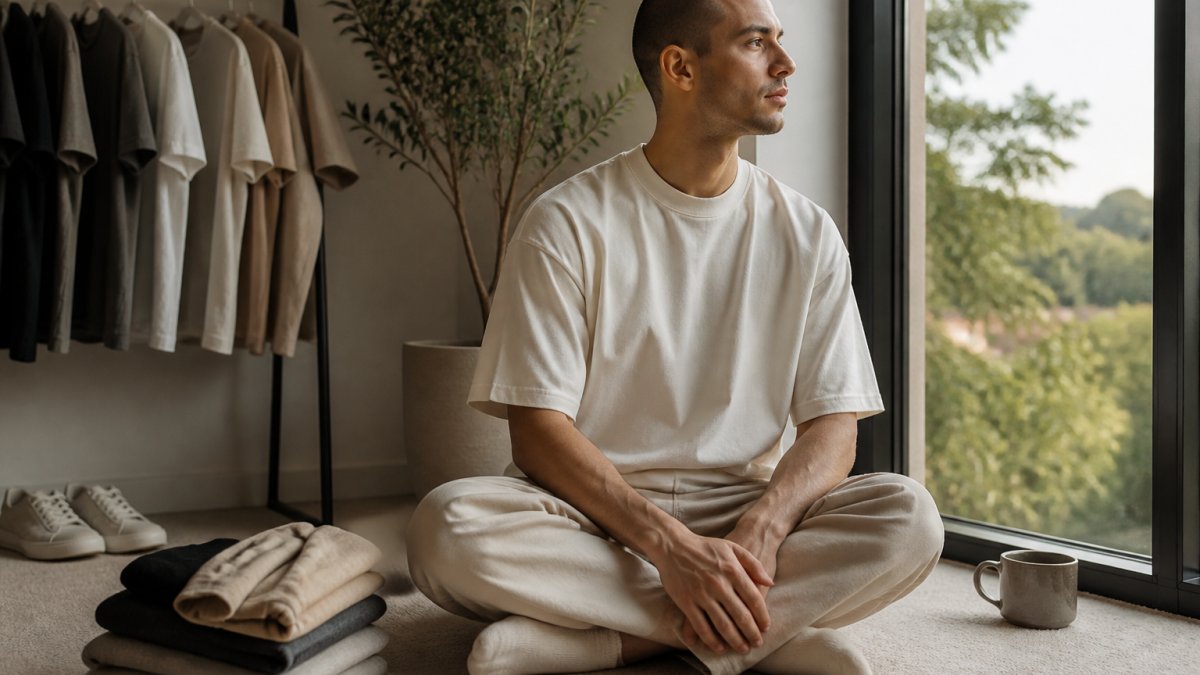
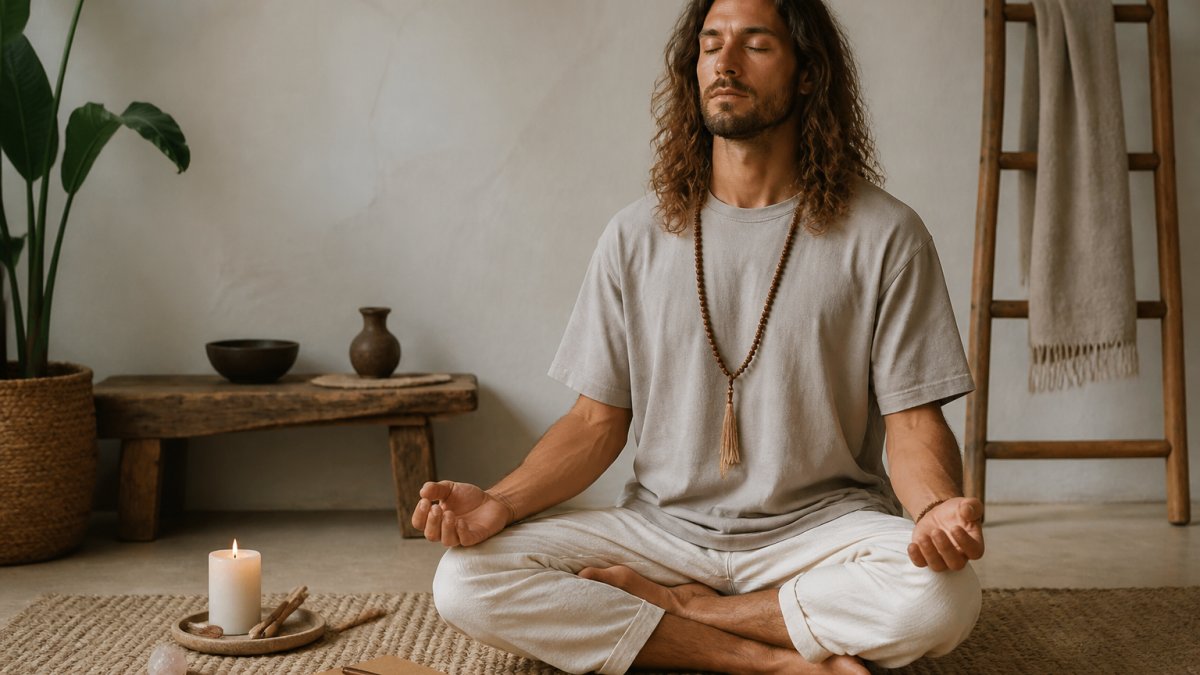
When you meditate or move through a yoga flow, your clothing should disappear from your awareness: loose-fitting silhouettes, soft fabrics, and nothing restrictive around the chest, shoulders, or hips.
Meditation wear needs to allow full ease of movement and deep breathing. Tight waistbands, structured shoulders, or clingy fabrics pull attention into discomfort instead of presence.
The 777 Essential Oversized Hoodie is designed for this.
Layering matters too. Many people layer a long sleeve shirt under a hoodie for practice: the sleeves give gentle coverage without restriction, and the hoodie adds warmth and a sense of being held. It works at home, in a studio, or outdoors.
Fabric weight influences your practice too. Heavier fabrics like the 10.2 oz/yd² fleece in 12:12's hoodie create a grounding sensation, a physical reminder that you're present in your body. Lighter fabrics suit warm climates or summer practice.
Mindful Fashion and Intentional Dressing
Mindful fashion goes beyond buying something because it looks good. It asks: Why am I choosing this piece? Does it align with my values? Will I actually wear it?
777 Essential Oversized Boxy Fit Cozy Spiritual Hoodie →
Intentional dressing means being selective: curating a wardrobe where each item serves a purpose and reflects your values.
According to research on sustainable fashion consumption, mindful purchasing decisions reduce waste and environmental impact. When you buy with intention, choosing pieces you'll wear repeatedly rather than impulse purchases, you're already practicing sustainability.
The Angel Number Starter Pack from 12:12 exemplifies intentional dressing: rather than buying random spiritual apparel, you select a curated bundle with complementary meanings, 222 (trust and divine timing), 333 (divine protection and creativity), and 444 (stability and foundation).

Intentional dressing also means considering how a piece makes you feel. Does it remind you of your intentions? Does it support your practice? Does it feel authentic to who you are?
Color, Symbolism, and Spiritual Fashion Style
Color and symbol are where spiritual fashion gets most interesting, and most careless. Most guides treat every motif as free decoration. It isn't. Some symbols are personal, some universal, and some belong to specific religious or cultural traditions where wearing them carries real meaning, obligation, or offense. Knowing the difference is the whole game.
- Earthy and neutral palettes, blacks, whites, grays, taupes, soft beiges, olive, clay, read as calm and grounded and work across nearly every setting. They dominate the category not because beige is holy, but because it's quiet, versatile, and doesn't compete for attention during practice.
- Celestial colors, deep blues, indigos, purples, blacks with metallic accents, evoke night skies and vastness, pairing naturally with star, moon, and planet imagery.
- Warm and solar colors, golds, ochres, terracottas, show up in traditions tied to sun, harvest, and vitality.
- White carries specific meaning in several traditions (purity, mourning, or ceremony depending on the culture), so know the context before treating it as neutral.
No color is more spiritual than another. Color sets a tone, and you get to choose the tone deliberately.
- Personal symbols. A number that means something to you, a shape from a dream, a phrase in your own handwriting. These are yours, wear them freely. That's the entire point of a wearable affirmation like an angel number tee.
- Broadly shared spiritual motifs. Mandalas, lotus flowers, the tree of life, celestial imagery, and chakra color systems appear across many traditions and are widely used in mainstream spiritual fashion. Generally safe to wear, though it's worth knowing what they represent so you're not wearing a symbol you can't explain.
- Tradition-specific and sacred garments. This is where care matters most: Indigenous ceremonial regalia, Native American headdresses, Hindu religious items, Sikh articles of faith such as the turban and kirpan, Jewish ritual garments like the tallit and tefillin, Islamic prayer garments, and Buddhist monastic robes. Many are religious obligations or ceremonial items, not costumes or accessories.
A simple rule: if a garment or symbol is worn as part of someone's religious practice or marks a specific cultural identity, don't treat it as fashion. If you're drawn to a tradition-specific motif, learn its origin, buy from makers within that tradition when possible, and be able to say why you're wearing it. If you can't, choose something else.
On angel numbers specifically. Sequences like 1111, 222, 333, and 444 are a modern, largely personal practice rather than a religious requirement. Wearing 11:11 as a daily reminder of manifestation and alignment is a personal-symbol choice, fine to treat it that way, as long as you're not presenting it as doctrine from a tradition you don't belong to.
- Pick one or two symbols that genuinely mean something to you, rather than covering a garment in motifs.
- Match the symbol to the setting: a subtle celestial accent works at the office; a large ceremonial-style graphic may not.
- Buy from makers who can tell you where a design came from. If a brand can't explain its own symbolism, that's a signal.
- Let the meaning do the work. One well-chosen symbol worn often means more than a drawer full of trend pieces.
Comfort, Fit, and Personal Expression
Spiritual clothing must first and foremost be comfortable. If you're not comfortable, you're not present, and the spiritual intention behind the garment becomes irrelevant.
Comfort means different things to different people.
Fit is personal expression. An oversized boxy silhouette communicates ease and relaxation; a fitted cut communicates intention and structure.
Many spiritual people prioritize fit flexibility: sizing down an oversized piece for a more fitted look, or layering pieces together.
According to consumer research on clothing comfort, the fit and comfort of apparel directly impacts how often people wear it.
Personal expression through spiritual clothing means refusing someone else's definition of what spiritual fashion should look like.
Spiritual clothing is ultimately about alignment: choosing garments that support your practice, reflect your values, and make you feel like yourself.
At 12:12, we create pieces designed for people who move with intention. Explore our collection of angel number apparel and spiritual streetwear designed to support your highest self. Shop the Collection and discover how intentional fashion can deepen your spiritual practice.
Frequently Asked Questions
What exactly counts as spiritual clothing?
Spiritual clothing is any garment chosen with intention to reflect your personal beliefs, values, or spiritual practice. This includes pieces with symbolic designs like angel numbers or chakra imagery, minimalist apparel that supports mindfulness, or simply comfortable, high-quality clothes made from natural fibers. The defining factor is that you wear it deliberately, not as fashion trend, but as an expression of who you are and what you believe. It's less about a specific uniform and more about aligning your wardrobe with your inner self.
What fabrics work best for clothes for meditation and spiritual practice?
Natural fibers like 100% cotton, hemp, and organic cotton are ideal because they're breathable, allow ease of movement, and feel grounding against your skin. Cotton blends that include sustainable materials also work well. These fabrics support comfort during meditation sessions, yoga, or journaling without restricting movement or causing distraction. Avoid overly synthetic materials that trap heat or feel restrictive. The goal is clothing that lets you focus inward rather than adjust your garment.
Can I wear spiritual fashion style clothing in professional or social settings?
Absolutely. Spiritual clothing designed with minimalist, intentional aesthetics works in most settings. A premium long sleeve shirt with subtle angel number design or an oversized hoodie layers easily under blazers or jackets for work. The key is choosing pieces that feel authentic to you while respecting the context. Many people wear spiritual apparel daily under other clothes, as a personal reminder, or choose neutral tones and understated designs that blend seamlessly into any wardrobe. Your spiritual clothing is for you first, how others perceive it is secondary.
Why should I invest in higher-quality spiritual clothing instead of cheaper options?
Premium spiritual apparel, like pieces from 12:12 ($33-$99), lasts longer, feels better against your skin, and actually gets worn. Cheap alternatives often shrink, fade, or become uncomfortable, so you stop wearing them. When you invest in quality, you're more likely to keep the piece as a lasting reminder of your intentions. Higher-quality fabrics also support the comfort and ease of movement essential to mindful living. You're not just buying a shirt; you're investing in a tool that supports your spiritual practice and daily alignment.